Focus on What You Can Control
Board director KJ Tjon on what CFOs can control: building diverse finance teams, the CEO-CFO dynamic, and a first-100-days playbook for new CFOs.
Chapters
Show Notes
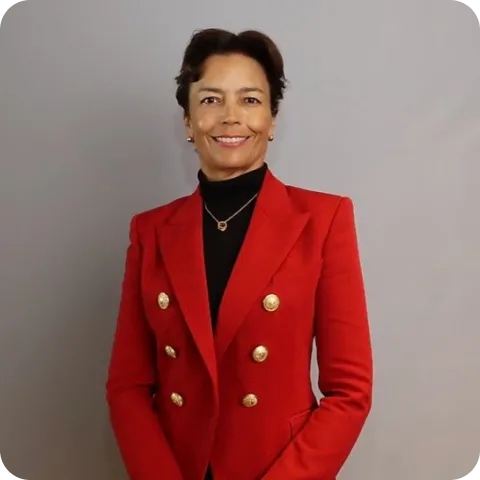
This episode of the SoF podcast features a discussion with the very dynamic, energetic, and always-smiling KJ Tjon - a seasoned senior finance executive with more than 25 years of experience in the technology and telecommunications sectors.
She currently serves as a Board of Director for Kaleyra, a Communications Platform as a Service provider; Nubia Brand International, a blank check company focused on the wireless telecom sector; and Volcon, a developer and manufacturer of electric off-road powersport vehicles.
Previously, KJ served as CFO of Alorica, Epiq Systems, and Hawker Beechcraft, and President & COO of Scientific Games. She also spent almost a decade at Alvarez & Marsal, as a business transformation and performance improvement specialist.
In this episode, we unpack KJ’s professional journey from Europe to Asia to the USA — from an assistant in corporate finance to senior consultant to CFO and now board director. We deep-dive into how to think about building diverse finance teams, the CEO-CFO relationship dynamics, and her advice on the first-100-days plan for CFOs joining a new company.
Takeaways
- A team’s complementary skills are the CFO’s biggest lever. The CFO doesn’t have to be the deepest expert in everything if the team fills the gaps.
- The first 90 days are for assessment, not replacement. Build around the strengths and weaknesses you find. Develop the people who are already there.
- Diverse finance teams don’t happen by accident. Push back on HR when the candidate slate keeps looking the same, and build the pipeline proactively over time.
- The first 100 days are relationship work. CEO, exec team, finance team, and the customer / investor / lender side — align on expectations before driving anything.
- The CEO–CFO test is private disagreement. Can the CFO say “I disagree” in private and have the CEO trust the call? Test for that BEFORE accepting the role.
- Understand the CEO’s management style before signing on. A CEO who came from sales is likely to interfere less with finance; a CEO with a finance background tends to do the opposite.
- Focus on what you can control. The day-to-day work, your team, your relationships. The macro will move; the discipline shouldn’t.
Notable Quotes
Focus on what you can control.
The first thing you got to do is understand from the CEO, what do they think are really the true business drivers and what is really the key for the company in the next six months for it to get done because finance needs to support that. Your goals have to align with whatever direction the CEO is going.
You really got to know what to do and trust your instruments and have the experience. So I really felt like, I can spend the time to get certified, but I'll never be good enough to really do this without somebody sitting next to me who really knows what he's doing. So yeah, a little bit of knowledge is very dangerous when it comes to piloting planes. There's a lot more that can go wrong...
I always loved ops. Especially if you're at a company that actually makes stuff like airplanes or things like that, it's just really cool to just like see how things get made. So I've always kind of attracted to being in... the kitchen and seeing what's going on.
I think the one thing that is lacking in my background is I don't have any depth in any real industry because I've moved around so much. And, I love to learn. So when I went, for instance, to Wichita for Hawker Beechcraft, it was super cool to learn about aircraft, how the planes are made, the walks with in the factory. I loved it.
Lightning Round
- Sweet or Savory
- Savory
- Books or Podcasts
- Books
- Thinker or Doer
- Doer
- Movies or Web series
- Movies
- LinkedIn or Twitter
- Guilty Pleasure
- Mango smoothies
- Money or Happiness
- Happiness
- Introvert or Extrovert
- Extrovert
- Summer or Winter
- Summer
- Growth or Profitability
- Profitability
- One hidden talent
- Golfing
- #1 item on your bucket list
- Play a USGA national tournament.
Transcript
Cold open
Rohit Agarwal: Hi KJ, welcome to the show. Thanks for making the time and really glad to have you here.
KJ Tjon: Thanks, Roy. Good to be here.
Finding finance
Rohit Agarwal: Perfect, so why don’t we start with a little bit of background. So tell me, how did you make your way into this amazing world of finance?
Read the full transcript →
KJ Tjon: Well, it was kind of interesting Rohit, because I always said I would never have anything to do with numbers or finance, because I come from an accounting and bookkeeping family, with my dad being a controller of one of the big companies in Holland for division control for Philips, and my mom doing bookkeeping and financial administration. I was never gonna do anything like that, because I spent my teenage years doing small business accounting as my kind of job extra money so I was never going to be an accountant and I have kept to that. I do not have a CPA but other than that it’s gotten pretty close. But yeah, the apple does not fall far from the tree, I guess. So over time I found I was gravitating more and more to kind of jobs that required me to be very organized, to understand numbers and basically kind of financial type jobs. And and went to business school and when I graduated from business school at Columbia New York I went to work in corporate finance and initially I was a financial analyst in the office of the CFO and it was kind of cool because it was a smaller company so working for a smaller company it has a fair amount of benefits this was my first job in the US so I wasn’t all that familiar with SEC So my first job as the analyst actually was to help with their panic systems and to help with their SEC filings. So if you’ve done that a few times, which of course the first time you’re completely panicking like oh my goodness what if I make a mistake and how does this work? It was kind of interesting because in business school I had a good friend that went to law school and she went into M&A at one of the big law firms in York. So we would questions for me and I would legal questions for her like how do I do this? How does this work? But all ended well I don’t think I made any big mistakes in our SEC filings but it’s kind of good to be at a small company you get a broad responsibility so over the years that I was there I ended up moving on from the accounting side when we hired a new controller and raising funds, doing more treasury type stuff. So that was also really, really helpful for my background to deal with analysts, to know what to say, what not to say, and to kind of see the fundraising side of it, to go to conferences with the CEO. So that was very good exposure for me. I was interested in the cool industry when I graduated was telecom. So IT, Telecom, that whole new internet stuff was super cool. It also came crashing down in around 2000. So the cool industry that I was actually ended up setting me up for a career in restructuring after that because the small company I was with was a public company but it was in Telecom and after a company that is pretty well known as one of the first big bankruptcies in Telecom, which was Winstar, and one of the first new Telco to spectacularly file chapter 11 and then all the others followed. At that point I was CFO for Winstar International. I had just come in and they filed, I had no idea what was going on, but it was kind of a quick study for me about bankruptcy, when obviously Winstater was no more job for CFO International, because we’re basically selling everything, to go to a restructuring firm. So I ended up at Alvers & Marshall, which at that time was very focused on purely restructuring. And now it’s a much broader based consulting firm. But when I joined them, it was still very much a boutique based on restructuring, turnarounds, working with companies to help them through tough times. me. With them initially I worked on a lot of telecoms that were filing in 2000, early 2000s and then I moved on to doing more technology type companies, done some manufacturing companies. So by the time I wanted to leave, about 10 or so years later, that I got fed up with being always on the road. As you know the lifestyle of a restructuring advisor is like a banker. You leave Monday morning and if you’re lucky you’re back Thursday night but usually you’re back Friday night if that and then you work two weekends so you can just work from home. So the lifestyle is stuff right because you come into a company it is in panic mode you got to hit the ground running and there’s no time sleeping is kind of overrated at that point you just got to kind of get things done. So after about 10 years of that I joined a company called Hawker airplanes. And why was a good move for me was coming out of restructuring no regular company would be interested in somebody with my resume because they feel like oh my god people gonna panic when they see that we hire you. The headline in Wichita where the company was headquartered was Beechcraft brings in restructuring CFOs. So you can imagine that a lot of companies would not like Exactly, exactly. I wanted to go somewhere where I could use, you know, my experience obviously for restructuring, even though I think that it plays very well in other areas, that the skills you build up are very helpful for a growing company, for any kind of company going through change, but that’s not necessarily how the market always sees it. So I needed something to kind of bridge myself over into a corporate life that was not crazy,
Rohit Agarwal: Yeah, you had to you had to make a soft landing, no pun intended. Start.
KJ Tjon: But you know still for me restructuring was kind of the niche that I was known for and the good thing about Beechcraft was that it had very very strong brands, made great airplanes I mean, it’s it was just a very solid company with a solid product The problem was at that point that the market for private aviation. This is 2011 since 2008 was really much smaller industry and they were bought by Goldman Sachs at the time and I think it was OMERS in 2008 at the height of the market right before Lehman filed their they bought this big company out of it and guess what they levered it up so at the time that the market was shrinking for the product. So fundamentally you have a company that is really good makes great products but it’s you know it’s over levered and you need to figure out what to do with the competitive So for me it was a good fit. I enjoyed my time there and we managed to have a very good outcome. The company went for Chapter 11 finally and came out of it in record time like in eight or nine months. And then later it was sold to its competitor, to Textron Aviation, part of overall Textron. And yeah, I think it was a good outcome for everybody. They’re still making airplanes today in Wichita, Kansas.
Rohit Agarwal: Yep.
KJ Tjon: lot of people that have jobs that are working there and they make great claims. So it was a fun experience for me. After that I stayed in Kansas and I worked at Epic Systems as you may remember. Yes and that was a much interesting company. There is still a bankruptcy angle because part of their
Rohit Agarwal: No bad. Yeah, very very fondly. That’s kind of where we first met.
KJ Tjon: So that’s why my boss, the CEO, wasn’t scared of my restructuring background. He was actually very happy that I’d worked at Officer Marshall, which was one of his big clients. So he just thought that that was a very good background and I was super happy. It was a very nice company. We had a great team and yeah, it just had some challenges. I mean, it was a profitable company. It was not a restructuring, but it had some challenges with some activist shareholders that thought that they should be making more money.
Rohit Agarwal: rap.
KJ Tjon: So the company got sold a few years later. But it was again, it was one of those situations where you come in, you find a situation a little different than what you expected. It wasn’t clear from the outside that there would be an activist party going on soon after I joined. But you kind of roll with punches. And at the end, I think that was a good outcome for everybody when our fine bankers, such as yourself, Get the company sold to a strategic and a private equity firm that took it private. So it’s all in all I think it was a good thing. So I think yeah, I’m gonna stop there and I kind of rolled through pretty quickly but Yeah, it’s kind of how I ended up doing CFO stuff
Rohit Agarwal: No, very cool. And I think a lot to unpack there. You worked across professional services, so as an advisor to CEO CFOs, as a CFO yourself, and now again, as board members, so kind of very different hats that you have worn over your sort of professional journey. But maybe let’s unpack a little more in terms of how did you make your move from Holland to the US? I know like Columbia was sort of
KJ Tjon: Thanks for watching!
Rohit Agarwal: impetus there. So what was the thought process, you know, as a young girl who’s looking to sort of make strides into the corporate world, what was the thought process around that move?
KJ Tjon: Yeah, I was initially actually, yes I’m from Holland, but I was actually working in Asia when I made the move. I was working in Hong Kong at the time. I had come to Hong Kong in a very junior position because obviously I didn’t know anything, I was really young and I was kind of executive bank carrier for an American executive who worked at the European Merchant Bank. there and started learning more and more and realized that finance was really something that actually suited me very well. I actually enjoyed it more than I wanted to admit to myself given my parents background. I ended up also there doing a lot more finance and this is like a long time ago you’re talking Lotus one two three spreadsheets that you’re learning. Yeah so it was heavy lifting on that side right?
Rohit Agarwal: Wow.
KJ Tjon: IT wasn’t very well developed at that point. It was doing a spreadsheet, took a lot more work than it does today. But yeah, I thought I actually liked it. I liked the work, but I also felt that if I wanted to do something different and not just stay in Hong Kong, which at that point was getting close to being taken over back to China. When I came to Hong Kong, it was a British colony.
Rohit Agarwal: 二 Yep.
KJ Tjon: like right before the changeover to go to the US. But for me, the MBA was a way to come to the US, but also a way to change careers a little bit, right? I felt I was a little stuck. When you come in very junior on the admin side, even though you do a lot of things that are more financial in nature, everybody still looks at you as like, you know, this cute girl that kind of brings coffee and also knows how to run a spreadsheet. You know?
Rohit Agarwal: I’m off. Makes sense.
KJ Tjon: to get out of that.
Rohit Agarwal: I can relate to that, not the cuteness part, but I was also an admin. That was sort of my first job after my graduation. And I totally see it. Whatever you do or not, you’re still sort of boxed into that admin framework.
KJ Tjon: Exactly. So for me it was a way to get out of it. And it worked. And in the US, and I think, I don’t know, maybe you have some audience in India as well, I was very well advised by my boss because he was an American, that I didn’t really know one school from the other. And he really advised me that you want to be at an Ivy League school if you can get in because it makes a lot
Rohit Agarwal: Make sense? Very cool.
KJ Tjon: to do if you can get in because I do think it makes a difference it gives the people a hiring you especially when you’re a little bit of a different hire because you’re a woman or maybe because you’re from India or because you’re from Holland or whatever if you’re a little bit of a different hire than your regular guys it gives them a little bit to hold on to like well you know if she comes out of Columbia Business House you can’t be that bad right I mean it’s there’s a there’s a you know it’s a little bit of that going on. It’s just one of those little things that I think it helps a little bit in the initial process.
From advisor to CFO
Rohit Agarwal: Makes sense, absolutely. And so then maybe contrast a little bit, your time at A&M being an advisor, right? To actually, you know, your maybe time at Beechcraft or Epic being a CFO yourself, how did those two perspectives differ and how did you need to reset your mind while you moved from A&M to Beechcraft to start with?
KJ Tjon: Well, it’s actually kind of interesting because at Altenziger Marshall I was in the restructuring group that did data work, what we call data work, meaning you’re on the company side. So very often I would come in as an interim CFO or an interim CRO, right? So I had done a lot of the job itself, not just in the advising part. I had done both. I had done advising to private equity groups who would ask me to go into a company to look
Rohit Agarwal: Char.
KJ Tjon: I don’t know, cash management or something like that. Usually it’s cash, right? Usually things like that, do a cash drill or something. But mostly, most of my work, especially the first five, six years I was there, was really interim management related through a company’s kind of change, whether that be a bankruptcy or whether that be some other strategic change or merger or what have you, to kind of manage through that process. So I had a lot of experience managing through it. But what was kind of the biggest issue and I think you probably had the same thing when you got out of investment banking. When you’re at A&M you’re used to people being there 24-7 for whatever you need, right? You have some obscure tax question in I don’t know I got this problem in the state of Iowa with whatever. It’s an obscure tax issue. You can find somebody pretty quickly that will give you a call like an hour later and say, can you explain how this works to me?” And they’ll like give you a briefing on what you need to look at, right? Whereas when you go to a company, it doesn’t work like that. People don’t work 24-7. People actually like to have a life, which is a beautiful thing, but it’s also very confusing when you come out of a consulting environment where nobody has a life. So you have to kind of make that turn and like, okay, this is cool. I know people need a life. I will not talk to them on weekends unless it’s really truly urgent.
Rohit Agarwal: Uh-huh.
KJ Tjon: not just like a random chat because they will jump up and panic. So we will make sure that I’m cognizant of that and also just the way people do things. I think we get very spoiled at firms like Offers & Marshal or the investment banks or any of the big consulting firms with the quality of people you have around you. Even the juniors, they’re just high quality people. Whereas company you get a little bit of everything. You get every different level that you can imagine. And you got to be able to relate to those people and talk to them and motivate them and understand that they’re there to be there from nine to five and to move the ball from A to B and that’s perfectly fine. That’s perfectly fine and that’s what they want to do. They want to go home at certain level that’s what people do. So you got to kind of learn I think that was kind of the biggest jump for me because you come in a company to run a company with a team from Albers & Marshall, you know the team, the associates and the analysts, they deal with the groundwork and run around and get all the information and then and they’re like 24-7 available to you and whatever else you need that is a little outside the ordinary you can easily ask you you’ll get the information pretty rather than having to dig deep that you do at a company.
Rohit Agarwal: Makes sense, makes sense. Very interesting. Did you, so when I moved out of banking, I certainly had the thought that, hey, right now I’m probably covering, you know, 20, 30 or different companies. And there is a bit of that kind of, you know, intellectual satisfaction that you may get by talking to different individuals, by being able to cover a broad swath of industries and sort of really being able to, you know, kind of know a lot, setting 24 by 7, that’s kind of one company is what you are really thinking about. Was that also something that was a challenge to you when you moved out of A&M to be able to say, hey, now, like this is one company is what I need to think about? Or that was like much more easier to kind of seep into.
KJ Tjon: I’m out. Bye. No, I really liked it actually, right? I think the one thing that is lacking in my background is I don’t have any depth in any real industry, right? Because I’ve moved around so much. So, and I love to learn. So when I went, for instance, when I just went to Wichita for Hawker Beachcraft, it was super cool to learn about aircraft, how the planes are made, the walks with the factory. I loved it. I was eating it up. Any excuse to go to one of the big but we go the square mile where our offices were. I always took it as an opportunity to walk around and to talk to the guys that are working the lines and to kind of see what they’re doing, what’s going on, how things are working. I thought it was super cool. I even learned how to fly a plane when I was there. Yes, yes, I ended up not getting licensed. It was, it was because they had the beach flying school and they had some really old little sundowners which are single engine prop planes,
Rohit Agarwal: Very cool, wow. Nice spark to have, okay.
KJ Tjon: planes right it has like the engine of a lawnmower okay I mean I’m not exactly going around in the Horka jet-seer okay this is like a little little prop but it was just so much fun well I did fit in there okay and my instructor did too I mean there’s like you know at least two three people can fit in but uh that was a lot of fun that was a lot of fun to to learn that and
Rohit Agarwal: So these were like drones, drones before the drones.
KJ Tjon: get certified because being a CFO you’re also in charge of risk management and insurance and any accident with any of our fleet worldwide which at this point I want to say we probably had about 35,000 aircraft at any one time that could be flying around and any accident I would find out about right that would immediately come to the company and it would come in through me and through our security who are professionals and good at something completely different and decide flying is fun and we go and we get certified but we don’t really build enough solid flight hours in all weather to really trust our instruments and do the right thing when the weather turns and it was it’s very consistent, right? I mean flying is relatively easy on a nice day. You just get in the plane and you go play but you know when the weather turns You really got to know what to do and trust your instruments and have the experience. So I really felt like, you know, I’ll never spend enough time to get, I can spend the time to get certified, but I’ll never be good enough to really do this without somebody sitting next to me who really knows what he’s doing. So yeah, a little bit of knowledge is very dangerous I think when it comes to piloting planes. There’s a lot more that can go wrong than in a car.
Rohit Agarwal: Makes sense. Okay, okay. So statistics do prove that flying is riskier than driving, huh? Okay.
KJ Tjon: Oh, most definitely. Most definitely. Well, just think about the variables, right? You got a lot more variables, you know? And that’s just planes, you’re not even talking about helicopters.
Rohit Agarwal: Yeah, yeah, makes sense. Interesting. Wow. All right. So after training to fly airplanes, then you landed at Epic, and then did another sort of CFO stint, and now you are board member at multiple companies. How is sort of the transition in life again from actively being involved in day-to-day operations to now being more of an advisor to the CFOs and CEOs?
KJ Tjon: It’s kind of interesting, right? Because one of my first board appointments, or actually I think it was the first one, like non-charity board, was actually somebody who was my, the CFO there was an auditor at Epic actually. He was the partner at Deloitte at Epic Systems. And he went off and did his own thing. He’s like a CFO of this really cool company that makes electric off the road bikes and vehicles. And super cool fun company.
Rohit Agarwal: Dank u wel.
KJ Tjon: I said to him, I’ll be very happy to do it, but you gotta tell me when I get too intrusive, you gotta be a good friend and tell me when I overstep the boundary and not stay in the box that I’m supposed to be in. Because obviously being on the board, yeah, it’s a strategic role. You should not get too tactical. And I remember when I just came in there and I was looking for a 13-week cash flow statement. And he’s like, KJ, you’re not supposed to look at that, okay? And we don’t create those because we’re not in a bankruptcy situation. So we actually, we have a pretty good hand on our cash, okay? You’ve got to trust me on this. So I’m like, all right, all right. So yeah, I think it takes a little getting used to. And I obviously attract also boards that are in some form of change or restructuring, what have you. Sometimes you do have to kind of pace yourself in that, that you don’t get too involved with things. You’ve got to trust the CEO and CFO to do their job. But at the same time, I’m also on audit committees for most of my boards. So yeah, it’s been a learning experience, but I think I’m getting better. I don’t think I best start the CFO and the CEO too much.
Building diverse finance teams
Rohit Agarwal: All right. Given sort of the experience that you’ve had, you know, across working with different CFOs, different geographies, different industries, how do you think about the evolution of the role of CFOs over the last few decades? And how do you see it sort of playing out maybe over the next five to 10 years?
KJ Tjon: It’s kind of interesting, right? I always feel that there is this… There are always shifts, right? It’s kind of like the CEOs as well. With CEOs, depending on the economy, if the economy is bad, they want a CEO with a sales background. The economy is better, or if there is some financial instability, they want a CEO with a CFO background, right? Or they want an operational CEO. So it’s kind of the same with CFOs, usually There are times when there’s a lot of regulatory stuff going on, like when socks came on, those early days after socks, everybody wanted the CPA for CFO. And once that kind of died down and you get to the point that a company needs to do a lot of financing, they want a banker or somebody that has some kind of treasury type background. So I think the truth is probably in between. what you need is somebody that understands, that has a broad understanding of all the aspects. Right? I’ve never been detailed on the tax law, but I understand enough of it to know what questions to ask. Exactly. To know what questions to ask. And also, I’m not too proud to ask. Right? If something new comes out and I’m not sure, I’ll just ask our tax advisor. I’ll just send it to me. I’ll
Rohit Agarwal: To be dangerous, yeah.
KJ Tjon: to send me the whole thing. I’ve read a lot of different fast b’s and a lot of different you know new tax regulations although the one that came out under Trump was insane there that was so confusing and it was so thick it was so much I actually gave up on that halfway I told the tax guy it’s like you know you got to give me the the short version of this because I just can’t work my way through it but on that one to my defense most people couldn’t quite figure out favor until they come knocking. So that was kind of what we did there. But I think in terms of the CFO role, you need to be broad enough to know where the problems are. And when you have a team, the first thing I always do is try to assess, you know, on my team who does what and how well are they at it and what are their strengths and weaknesses. Where do they need help for me? Where do I need to focus? And part of it is dictated by the industry or
Rohit Agarwal: Hehehehehehehehehehehehehehehehehehehehehehehehehehehehehehehehehehehehehehehehehehehehehehehehehehehehehehehehehehehehehehehehehehehehehehehehehehehehehehehehehehehehehehehehehehehehehehehehehehehehehehehehehehehehehehehehehehehehehehehehehehehehehehehehehehehehehehehehehehehehehehehehehehehehehehehehehehehehehehehehehehehehehehehehehehehehehehehehehehehehehehehehehehehehehehehehehehehehehehehehehehehehehehehehehehehehehehehehehehehehehehehehehehehehehehehehehehehehehehehehehehehehehehehehehehehehehehehehehehehehehehehehehehehehehehehehehehehehehehehehehehehehehehehehehehehehehehehehehehehehehehehehehehehehehehehehehehehehehehehehehehehehehehehehehehehehehehehehehehehehehehehehehehehehehehehehehehehehehehehehehehehehehehehehehehehehehehehehehehehehehehehehehehehehehehehehehehehehehehehehehehehehehehehehehehehehehehehehehehehehehehehehehehehehehehehehehehehehehehehehehehehehehe
KJ Tjon: by the issues the company is facing, what is most important for the company at that time. If the company keeps breaking its covenants, obviously you need to spend a lot of time with the lenders and with treasury, but you also probably need to fix your FP&A because they’re obviously not very good at giving good projections. That may be the source issue that they’re facing is that they give the wrong projections and that’s why they’re always breaking covenants.
Rohit Agarwal: rejecting. You all right?
KJ Tjon: of the company and the strength of your team. I’ve always tried to keep the team that was there, which usually I’ve been able to do with maybe one or two exceptions, so there’s maybe one function that you need somebody else for. But generally speaking, I’ve been able to keep the people that were there and just kind of worked around their weaknesses and built on what they have. Because I think if you can do that, I mean, people like to believe that, But in most cases people kind of at the VP level and the director level you can find some really good people and I was lucky to work also in Kansas you have some really really good people coming out of the universities there. Like KU is a really good school. You have University of Missouri, you have some really good universities there that crank out really good finance and accounting people. So you have a lot of talent or two but I don’t generally have not really changed our full teams. I have not felt the need for that. Which also if you do that you basically risk throwing out the baby with the bathwater right? There can be a lot of internal knowledge that now disappears because not everything is properly documented at a lot of companies. So yeah, so for me the evolution of finance overall I think it’s going to be more because of IT than anything else. Specifically in terms of the general role it kind of depends on the company, right? Where are where the company is in its life cycle and what is the team that it has and how can you get that team? To do what they need to do at that point in time, but I think IT is probably the biggest driver of change. I mean, I don’t know if you use like JetGPT or what but I kind of played with it a little bit I mean just to know what it is, right? If you think of things like that leases in investor relations, if you think of creating decks, if you think of, you know, there’s a lot of things that chances are that you can automate much more. But at the same time, yeah, but having said that though, a lot of companies don’t have the basics. As you all know from your experience that you get like 10 different numbers depending on who you ask the question to, right? So I think a lot of companies, especially if they’ve done a lot of M&A, a lot of mergers and acquisitions, they will have different systems that don’t talk to each other. And it’s not easy to get correct information to get the right number in the first place. But you know, artificial intelligence, you first need to get the fundamental numbers that are in your accounting system to actually come out and be able to manipulate it.
Rohit Agarwal: I think we have seen even standalone companies don’t have their numbers in check, let alone the people who have done a lot of M&A. Makes sense. And then with all the AI, it’s like garbage in garbage out. If you can’t put in the right kind of information into it, you’re not going to get any interesting answers from it.
KJ Tjon: 네! Exakt!
Rohit Agarwal: Very cool. You talked about team formation as the CFO and that being a crucial part. You know, I’m sure over the years, as you grown up, you may not have found yourself surrounded with other women. And at least I’ve seen you at Epic and sort of a few of the other roles that you have played. You’ve always had kind of a little more diverse of folks working in your team. So tell me a little bit more about that in terms of what has been your experiences over time with diversity and inclusion. And what do you do specifically while you were maybe a CFO and now as a board member to create the right set of environment where diversity and inclusion can foster? Because finance is notorious for kind of not having the right kind of representation, even compared to whether it’s human resources or
KJ Tjon: I’m gonna go. No, that’s a good question. And I think in finance you have one lucky thing a little bit that a lot of women have gone into accounting. So on the accounting side, if you look at the accounting firms, they’ve been kind of ahead of corporate America, I think, a little bit. And there’s a fair amount of senior people that are becoming partner or at that level about to become partner.
Rohit Agarwal: the other functions in companies.
KJ Tjon: bring in that are women. So on the diversity side in terms of female versus male, I think usually the easiest to make stride is on the accounting side, in your team. And also on the tax side. I’ve had very good success there. For some reason, there’s a lot of women that go into it. And I think in the last 20 years, when I went to business school, I liked Colombia because it had a of women. But I think high percentage is still like I want to say at that time was maybe a third something like that. That was at that time I think the number. But that has improved a lot. I mean I think it wouldn’t surprise me if now it’s 50-50 or even better in favor of women. So I think from a female perspective it’s becoming easier. And from the accounting track and then also
Rohit Agarwal: Right. Good.
KJ Tjon: women. So I think there’s been some traction there that you can find good female leaders. On the diversity side it is very much depends where you are geographically as a company in the States. The United States is so big and if you’re a headquartered let’s say in Atlanta, I’ve worked at companies in Atlanta and I found a lot of really qualified African Americans and they’re like awesome right. But there’s a big market there. I mean There’s a lot of African-Americans that lived there and there are a lot of universities, a lot of good schools and you know you have a good pool to hire from. When I was in Kansas I didn’t have such a big pool, right? It felt that the pool was smaller so you had to kind of push back on HR and say like look guys I can’t just have only you know old white guys in these jobs.
Rohit Agarwal: Yep. short. Yep.
KJ Tjon: come up with different candidates. You need to find different candidates because otherwise we haven’t really looked at you know the best candidates. We haven’t really looked at the good cross-section of people to be able to find out who is the best if you don’t even give me the option. So that’s always been the first step that I have done is like kind of push back when you only get the same candidates over and over. So that’s one step. The other is looking at your pipeline. I mean I’ve had financial organizations of 500-600 people at some point. At the Lord God we had like 600 people in finance which is crazy. We had 100,000 people overall but we did cut them a lot. Especially a lot of them in
Rohit Agarwal: Wow. आर दे! 네. Sounds like they were literally being counted.
KJ Tjon: I had a very significant calling to do there, right? But actually there diversity was much easier because I set up a large, we already had a lot of people working in the Philippines being a call center business, like business process, I thought you’re gonna have a lot of people in the Philippines. So, and they’re also, as you may know, they’re also very well educated, very American oriented. very easy for an American company to do business with them. Because chances are they’re very qualified also in US GAAP and stuff like that. So yeah, diversity wasn’t an issue there from an Asian perspective. We had a lot of them. So yeah, I think part of it is your own drive to get the feeder, right? Not just the VPs, not just if you, I used to like to do skip level lunches. Like have lunch with a few people
Rohit Agarwal: Work with them. Ciao.
KJ Tjon: low in an organization and I found if I do the one-on-one people get a little shy and a little awkward for them sometimes like oh my god I’m sitting with the CFO it’s like hard to get them to feel like at ease so I used to do like two or three at a time from one apartment like maybe three people that are like two levels down in FP&A or something and and you know we’ll have this like a like a sandwich in my office or whatever nothing fancy we’ll just kind of hang out and I think On that level is where you need to really start seeing the change. If you just look at like, well, I don’t find any VP that’s like, I don’t know, an Indian American or whatever. Well, okay, you may not have a VP, but you have a director or a junior director or a manager. What do you have sitting in your overall groups? And why don’t you bring them in on the lower levels and start training them? And also if they don’t work out, why don’t they work out? Right? That’s the other question you have to ask yourself.
Rohit Agarwal: Makes sense. Makes sense?
KJ Tjon: didn’t we have three African-American managers over there? Now I have one? What happened? Where’d these guys go? And why did they go? Why did they leave? I mean, there could be quite a legitimate reason, but you still need to look at it just to make sure that it was a legitimate reason and nothing to do with something we as a company did that made them want to leave.
Rohit Agarwal: Yeah, did they get the right kind of environment to foster rather than having something strategically or rather more systemically against them? Yeah, makes sense.
KJ Tjon: Yeah, yeah, and I think also that it kind of it helps when you When you do skip levels and talk to different people you also get a bit more of a sense I mean, they may not necessarily tell you everything that goes on but you get a little sense of the people that you have working there So you can also see who’s going to be more welcoming to different people that come in because that’s also important when somebody comes in And it’s like the only I don’t know Chinese American person in the whole company Right versus there are others there. It’s a difference You know it makes a difference to some people some people don’t care like I never cared because you know the chances of there being a Dutch woman working there looks like this very slim so But I know for a lot of people it does matter right so you got to take that into account
Rohit Agarwal: Makes sense. Sure, sure. Makes sense. I really like your point in terms of creating pipeline because if there is an opening of a new hire, right? The managers would want to fill that position quickly because again, kind of, you know, KRAs are involved and people want to sort of show impact as soon as possible and do not really want to wait for, you know, a candidate to be hired. And that’s where more often than not, right? If you find the right candidate which may not really satisfy
KJ Tjon: Thanks for watching! Yep.
Rohit Agarwal: people tend to just go ahead with that hire. And I think that’s where having pipeline really matters because you are all times looking at a diverse set of backgrounds and thereby are able to make the right decision and always take care of the diversity part. Very interesting.
KJ Tjon: Yeah, and I think over time it will get better, but it’s not naturally going to get better. It gets better because you’re pushing it, because you’re pushing HR to give you different candidates. And maybe the first time you get five candidates, two are diverse and you don’t like them. You know, that’s okay. That’s fine. If those two are not good for the job, then don’t hire them. But if you keep getting them into the pipeline, at some point, one of them will be appropriate and you will hire them. You know, but you got to start putting them in the mix.
The first 100 days
Rohit Agarwal: All right, yeah, makes sense. Well, let’s get into a little bit of an advisory mode. So let’s assume hypothetically that today is my first day as the CFO of a company. What would your advice be for me on my first 100 days plan at this new company?
KJ Tjon: For me, I think you want to first start understanding, well, there are two things, right? There’s your people, that you’ve got to build all your relationships, whether that’s internal or external, right? And at the same time, I think, what I was thinking about this when we were talking earlier, to me, understanding the business drivers, and this is some homework that you probably have done before you got into the company, is also very important. Because if you understand the big picture CEO to really see what should be our priorities as a company that will help you set your first 100 day schedule. I mean there are certain things that will always be there right you need to build a relationship with your executive team your own team your peers you know you need to go lateral to what is the chief marketing the chief sales the chief ops what are those guys doing and what are the expectations of finance what do they hate about us what do they love about us I mean that’s important right. I remember doing this at one company and this guy told me, this ops guy told me, I was like well what is really helpful that you get from finance and he’s kind of looking at me and he wasn’t sure I would answer. I was like well if it’s not helpful you could say that to him right. I mean just tell me I just need to know otherwise I can’t improve right. He’s like well look over there where is it? He’s kind of looking around in the office and there is that apparently finance created this big book, this big binder for him every month. And he never looked at it. It was like this big stack in his office. And I’m like, well, does anybody look at this? And he was like, I don’t know. I have my analyst and he gets this and this and this is what I use. He holds a piece of paper that his own team would do from them based whatever finance does, it delivers to its internal customers, right? That you give the information to your internal customers what they need. Otherwise you got people setting up what I would call shadow finance, right? They set up their own little financial analysts in their teams, which is a duplication of effort, which is very expensive and it creates a lot of confusion generally, because they come up with different numbers, they don’t tie, people need to spend time bridging basically, right? The numbers that they invented in the first place. So it gets, it creates a lot of confusion within the company. If you have the shadow finance teams running around in different departments, but it comes because we as finance people are not serving their needs in the first place, right? That’s why they create these things. That’s how they come to exist. It’s the same with IT, right? You also suddenly see IT people in different organizations. right and they don’t report to the IT person. It’s like well because they need this or they need that. So to me it’s really important to understand your customers, your internal customers, to understand your team. What are the strengths and weaknesses of the people you have on your team? Do you have a good controller? You have a good treasurer? You have a good tax person? I mean, what do they do all day? How are they? What is their schedule? What is your cadence? Every company has a cadence, right? We close on day three, we close on day four or whatever, right? Get into some detail there. Okay, when you close, how do you define close? Does it mean you do your bank cracks or do you just do that quarterly? What do you think is close? So get right on definitions so you make sure you understand the language of the company because different things mean, you know, the same word may be different things at different companies. Some companies say like, oh yeah, we did the close and then later you’re like, well you didn’t do any bank record simulations, you didn’t And it’s only the end of, you know, in March, suddenly you see completely different numbers. They’re like, what the heck happened between February and March? Oh, well, we just did the accruals. Right? So you need to kind of understand at an eye level what the definitions in the company are and how they use it. So that is a very nitty-gritty internal, you know, judging your people, what they do, who does what to whom. And on the other side, does my audience need it? My peers, it’s the CEO, it’s the board, it’s the shareholders, investor relations stuff that we send out, it’s our lenders, what is our lender communication, what is our cadence, when do I talk to SFP, when do I talk to Moody’s. I mean you also should do that on a cadence. I’ve been in a company, most of them I came in and they had not met a CFO for like three years. I’m like, and you wonder why your rating is in the tank.
Rohit Agarwal: Wow.
KJ Tjon: They have no idea what goes on at the company. They have no idea because they never really talk to anybody. So you need to talk to these. You need to reach out and talk to them so they can understand what the company actually does. They can understand the story. I mean, it’s helpful for them too. They can do their job. If you don’t communicate with those agencies, they don’t really understand what’s going on and they’ll just stay very on the surface with how they interpret things. So you gotta kind of manage But yeah, for me first, the first thing you got to do is understand from the CEO, what do they think are really the true business drivers and what is the really the key for the company in the next six months for it to get done because finance needs to support that, right? Your goals have to align with wherever direction the CEO is going.
The CEO-CFO relationship
Rohit Agarwal: Yep. Make sense? Very cool. So let’s talk about the seems like the CEO CFO relationship seems to be the most important from a company perspective or a management team perspective. How did you think about it in your various roles? And if you have some hacks that you used to really solidify that relationship, because there’s a lot of trust that has to come with it, may not necessarily be agreeing to everything that the CEO is saying,
KJ Tjon: I’m out. Bye.
Rohit Agarwal: you don’t really put a counterclaim with a lot of confidence and trust, understanding that this person takes it in the right stride. So maybe tell us a little about that relationship.
KJ Tjon: I think this is the key when you’re accepting a job because this is your direct superior, right? I mean, in every level of an organization, people leave their jobs not because of the company, but because their direct supervisor, right? That’s why people leave jobs. That’s the number one reason they leave jobs, because they’re supervisor and then just don’t get a loan for whatever reason. So as a CFO, you can’t really do your job if you don’t have a CEO that trusts you and lets you do your job. If you have a CEO, and actually it’s kind of interesting, you want to look at where the CEO comes from, right? If you have a CEO that comes out of finance, on the one hand is really good because, you know, they understand what you need to do, but on the other hand they can also be very micromanaging because they have a very specific idea on what needs to happen. And you come to this organization, it may be quite a mess, but they were the CEO before, they think it was brilliant. This is so dynamic, before you actually take the job. Try to kind of suss out where this person is coming from. If the person comes from sales that has never run finance, chances are you can kind of like be trusted to do your job and not get too much interference there, right? So it very much depends where the CEO comes from themselves. And also I think your relationship, because obviously it’s key, I think on a personal level, you wanna feel that as a person,
Rohit Agarwal: I don’t know.
KJ Tjon: You know, you can walk with, you can just, you want to be able to walk in their office, close the door and say, look, this makes no sense. I just heard you say that to these guys. I mean, obviously I just sat there and nodded, but between you and I, we got to do something because that makes no sense. We shouldn’t let that happen like that. Or we need to do this or that. Right? You need to be able behind closed doors to be very clear, right? To say like, look, this is not the right way to do it for this and this reason. And look at the end of the day,
Rohit Agarwal: chart.
KJ Tjon: things, you’re gonna have disagreements, there are things that you know sometimes they’ll take your advice and sometimes they won’t and if they won’t it’s like okay I told you but if you still want to go right, you go right you know and I’ll try my best to make sure it works. Is that what we’re doing? Is that what we’re doing? I told you what I think the downside is but you know I’ve been wrong before and I probably can be wrong again so let’s just go ahead with your plan. But yeah you want to be able to feel that you can do that right, that you can go behind fear and very crisp about where you think you are.
Rohit Agarwal: Make sense. And anything specific that you did, maybe to continue to have that dialogue, because at times it may just be topical, right? Your specific topics that you’re discussing and you may not be able to really connect at a little more personal level to understand the person behind that designation of CEO, right? Anything that you did in particular to be able to sort of really get an understanding of that person and where that person is coming from.
KJ Tjon: Not really. It’s like you try to get as many CEO exposures before you take a job because it’s like because once you’re in it’s kind of too late, right? You’re there, right? And I’ve been pretty lucky that I’ve worked for some really good CEOs and you know one of them, Tom Olson, who actually died shortly after the deal was done, which was quite unfortunate. I mean, He was one of the type of guys that really kind of put a lot of trust in his team, which is really nice to work for somebody like that. At times he’d take my advice and at times he wouldn’t, just like anything else. But overall, we got along very well. We had a fair amount of conversations before I took the job, before they offered me the job. We spent a really good amount of time together. the times that I’ve taken positions where I have not had that much time with the CEO, you know, that has been kind of the downside, right? So you really want to make sure you can try. I know it’s when you’re interviewing for a job, you just want the person to say like, hey, you’re brilliant, you’re hired, and here’s a lot of money and go do your job. It’s usually better to spend as much time as you can with the CEO, because that’s the person that has to support you, right? Because If you sit in a board meeting and you may say something that’s not popular, like, hey guys, we’re running out of cash. Something like that. You need the CEO to back you up.
Rohit Agarwal: Makes sense. Very cool, yeah? Totally. How about other departments in your sort of long tenure? Was there one department that you kind of really got, attracted towards a little more? Like in my little time as an OT, I worked across departments in terms of sales heads, marketing heads and so on. But sort of the HR piece was something that always pulled me on that front, it just felt like, hey, that’s like perhaps the most impactful from my perspective, right? And anything that kind of you got attracted to a little more in terms of a particular department or a problem that you wanted to solve more.
KJ Tjon: To me, I always love ops, right? Especially if you’re at a company that actually makes stuff like airplanes or things like that, right? It’s just really cool to just like see how things get made. So I’ve always kind of attracted to being in the kitchen and seeing what’s going on. I think my inclination generally is kind of like you, I’m pretty HR focused, right? I think that’s kind of the key to anything in a company. If you can’t get your people right, then you know, all bets are off. happen. So yes, I’m also always very married to HR and I think there’s a natural tension with sales and finance which is not necessarily a bad one, right? I mean, this is something that I’ve had some great VPs, EVPs of sales that I’ve worked with pretty well but you know we’ve had our clashes because sales always wants to recognize revenue the moment they talk to a customer. But there’s a natural tension there, right, in terms of when revenue gets recognized, when commissions are paid, how commissions are paid, what they’re based on. I mean, these are very important things that finance needs to kind of oversee them, right? They need to oversee how these people get paid. And obviously, they don’t always appreciate it because they always believe that, well, I made the sales, so I should get my commission. Well, the company hasn’t been paid yet, so what am I supposed to pay you with? It’s a natural tension there because they’re like, well, that’s not my problem. I made the sale. I went out there, look, it’s signed, it’s a contract. Come on. So there’s a natural tension in those situations. And of course, as a finance person, you always believe they spend too much money, they entertain too much. I mean, can’t you just take them to Mickey D’s? Why do you need to take them to, I don’t know, 11 Madison down in your building or whatever? So yeah, I think there’s a natural tension between sales and finance. But I do think that you can, with a bit of humor and respect for each other, I think you can solve that. But yeah.
Focus on what you can control
Rohit Agarwal: Make sense? Very cool. It’s certainly no surprise that the CFO role is quite taxing. You kind of need to be on the clock for several reasons, as you mentioned, whether it’s the closing of the books, whether it’s talking to lenders, investors, other stakeholders. And no surprise that stuff would be breaking in between at times. So in those situations, how do you and kind of really keep going. Because one of the things that it’s very easy is if the leader is panicking, the rest of the team starts panicking even more. So how do you sort of manage yourself and sort of keep that calm in these panic situations?
KJ Tjon: Well, I can get very hyped up when things go wrong. I can get very intense. I can get pretty intense, but yeah, I don’t panic. I always, I tend to get a very good focus. Like there’s a lot of stuff that can go wrong that you don’t control, right? There are a few things that you can’t control, right? I mean, I cannot control whether this lender is gonna like me or not, whether they’re gonna extend the loans or not, or you know, whether these sales are gonna come in or not. But I can control our behavior, right? I can control the fact that I’m gonna talk to him, even though he’s gonna scream at me, I’m still gonna talk to him, I’m gonna be calm, and I’m gonna explain the situation as best as I can. And they’re either gonna be reasonable, they’re not gonna be reasonable, but I will be armed with all the information that I need to walk in the room and work our way through the problem, whatever that problem is, whether that’s a lender, it’s an investor, it’s a customer, like in bankruptcy, I’ve had a lot of screaming suppliers that come in and want to yell at the CFO. I’m like, okay, you can come and yell at me. Please don’t yell at my poor AP people that really are under strict instructions not to pay anybody. So please don’t go yell at them. If you want to yell, you can come and yell at me. That’s okay. I can take it. But no, we just filed bankruptcy. We cannot pay your bill from two weeks before we file bankruptcy right now. So these are the rules and this is how it works. And this is how, at some point, you may or may not get it. So it’s, to me, it’s be very focused on what you can control, right? That’s the key. There’s a lot of things that you cannot control in the world, but there are certain things as a company that you can. You can’t control how you build your product. You can try to make it as good as it should be, right? There’s no, that you don’t have quality issues, right? I mean, these are things that you should be able that the numbers that come out of finance that they actually tie. This you can control. My team should not be sending out power points that the numbers don’t tie. They should be correct. These are things that we can control and we’ve got to focus on.
Rohit Agarwal: Yeah, I think that’s great advice. Focus on what you can control. Maybe continuing this theme, do you have some advice for emerging professionals who kind of aspire to be CFOs or leaders in finance?
KJ Tjon: I think there are two different things, right? I think one of my shortcomings, as I said earlier, is that I don’t really have any industry depth because I’ve been in so many different industries, which kind of hamstrings you if you want to be a CEO at some point, right? So if you’re a CFO who wants to be CFO track to CEO track, I would think you want to kind of make sure you really know one industry, because I think that’s kind of for a CEO, when you need to do strategic stuff, it’s kind of important. Because a CFO, you can be much more broad industry-wise, right? I don’t think it matters that much, unless it’s like highly, highly regulated, like certain things in healthcare or what have you. I think in general, it’s, you know, industry is not as important for a CFO as it is for like a CEO. So I think that’s one thing to keep in mind, right? in skill set to me the most important skills that number one is people right in an offer to myself we should talk about creating a following and they would actually be talking about customers but I also think you know about clients are people that want to hire you but I’m actually always thought about it in terms of people that work for you right the people that work for you I think the key here is would they work for you again somewhere else if you jump the ones that say, hey KJ, I hear you come to that company. If you have any opportunity, let me know, I will have to come back. Right? That’s a good sign. If you don’t hear from anybody, that’s not a good sign. Right? People don’t want to work for you again. That’s not a good sign. Right? So I think you want to get people following in the sense that you want to create teams that work well, that like to come to work in the morning, because at the end of the day you spend an inordinate amount of time at your job. So you want to make sure that, yes, not every day is fun and but that overall people enjoy what they’re doing. And that there is an environment there wherein people feel they can be open and can be themselves and can just walk into my office too. That’s like I do with the CEO and closes doors and says, KJ, you’re full of it. I can’t believe you’re doing this. What are you thinking? That’s very important, right? To create that environment because I think companies get in trouble because they don’t create that environment and people are too afraid to speak up. Not because people don’t know. People on the manager level, they know exactly what’s going on. They really do. And the problem is… They see the numbers, they know, but then they don’t tell, right? Or they know that something doesn’t really work quite well, or there’s this one division that’s just kind of messing things up. They’re not going to tell you if they don’t trust you, right? If you don’t build a relationship with your team of trust, if they’re afraid they’re going to get yelled at and send out of the office for bringing it out, they’re not going to come to you. And I think that’s something important to be able to build relationships, build
Rohit Agarwal: And especially in finance when they see the numbers. Yeah. Yeah. short.
KJ Tjon: help you when you’re about to do something stupid is just as important as people that will do their jobs, right? They need to be able to be open and honest with you so that you can can trust that you know the numbers actually tie. There’s not some skeleton there somewhere that you know you’re gonna get caught on.
Rohit Agarwal: Makes sense. Look, this has been super interesting. I know we are a little constrained on time. So why don’t we now move to a lightning round? You all ready for it? This should be fun. All right. So I’m gonna ask you some simple questions and I need the immediate responses. Okay? All right, so let’s start. Sweet or savory?
KJ Tjon: Thanks for watching! Oh boy. Alright. Okay, shoot. Saver. Oh sorry.
Rohit Agarwal: Books or podcasts?
KJ Tjon: Thanks for watching!
Rohit Agarwal: No worries. You’re still doing a podcast, that’s great. Thinker or doer?
KJ Tjon: Doer. movies.
Rohit Agarwal: movies or web series.
KJ Tjon: ¡Linter!
Rohit Agarwal: LinkedIn or Twitter. Scotch or whiskey or whatever else is your guilty pleasure.
KJ Tjon: My guilty pleasure for something like a smoothie but okay. Mango smoothies. Yeah.
Rohit Agarwal: All right, very cool. Money or happiness?
KJ Tjon: Happy next. X-River.
Rohit Agarwal: Introvert or Extrovert?
KJ Tjon: Summer. Yeah, I live in Miami Beach, Florida.
Rohit Agarwal: Summer or winter while you’re in Miami. That’s an easy answer. Growth or profitability.
KJ Tjon: profitability.
Rohit Agarwal: Okay, what is KJ’s one hidden talent?
KJ Tjon: One hidden talent. That’s an interesting one. I’m pretty close to being a scratch gopher, but I’m not sure that’s hidden. Because I play competitive, so I’m not sure how hidden.
Rohit Agarwal: All right, yeah. Cool. Number one thing on your bucket list right now.
KJ Tjon: to play in a USGA national tournament. Golf.
Rohit Agarwal: All right and how close are you on that? Just curious.
KJ Tjon: Last year I missed the USGA senior qualifier in a playoff for the last spot from Florida. So I was close. I feel I’m closing in.
Rohit Agarwal: Ah, alright. Well, good luck for this season. Who is your role model or something that you really look up to, whether it’s personally or professionally?
KJ Tjon: Actually, we were just talking about Tom, about my former CEO, right? And he had this one quality that I really admired. Well, he had a lot of good qualities, but this one thing that I was really cool. He was very, we used to call it, calm, cool, and collected under pressure. Just think about it. You’re a CEO. You’ve built your business for many, many years. This is your baby. And you got these people yelling at you about how you’re doing everything wrong and how you sell this company and all this.
Rohit Agarwal: I’m sorry.
KJ Tjon: I mean, I would get excited. And I was only at the company for a few months when this strategic situation happened. The activist, who was pretty brutal on the phone initially, and he just stays so calm. He was so calm under fire. And I was getting more excited than he was. And I had just walked in the door. It was nothing to do with me personally. But I was getting all excited. That’s the way they were talking. It was like, you can’t talk to my boss like this. super collected and okay I see your point and he was like you know he really handled that so well I was like wow it’s very very impressive when people can do that
Rohit Agarwal: Certainly, certainly. And then the last one, describe yourself in three words.
KJ Tjon: Straightforward, athletic, reader.
Rohit Agarwal: All right, very cool. I think we did pretty well. Thanks. This has been an amazing show. And again, thanks a lot for taking the time.
KJ Tjon: Well, thank you Rohit, but now I feel that I should have one like a date or something with somebody based on your last few questions. Hahaha. Was it for the Bachelor show or something?
Rohit Agarwal: I think that’s, you know, I think this was really, really a lot of fun.
KJ Tjon: Thanks, alright. I appreciate it. Thanks for having me. Bye.
Rohit Agarwal: Thank you, thank you.