Confidence, Prepare, Execute, and Repeat
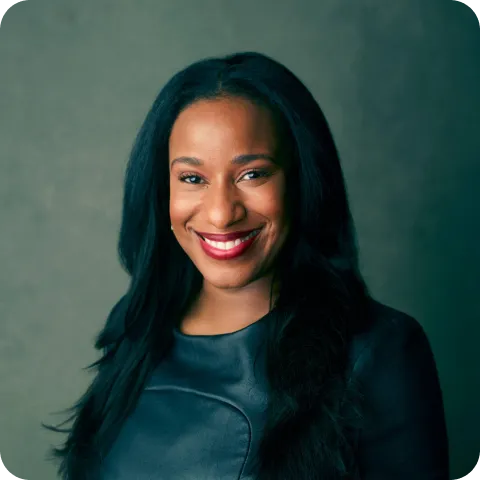
Joy Mbanugo, CFO at ServiceRocket, on the deliberate CFO journey, finance as a service function, AI in finance, and inclusive teams.
Chapters
Show Notes
Joy Mbanugo is the CFO at ServiceRocket — an Atlassian Platinum partner doing services, license reselling, and a growing apps business across teams in Sydney, the Philippines, Chile, El Salvador, and Malaysia. Her remit covers finance, accounting, revenue operations, treasury, and digital transformation.
Joy joined ServiceRocket from Google, where she sat across Google Cloud FP&A (analyzing $25M–$1B deals across Cloud Partnerships and Industry Solutions), Alphabet Treasury (designing the cash management system for intercompany transactions across $100B+ in assets), and the Oracle-to-SAP ERP conversion. Before Google, she handled taxation of securities lending at BlackRock and spent eleven years across Ernst & Young’s audit, tax, and capital markets practices in Cleveland, DC, London, and San Francisco. She holds a Juris Doctorate and a Masters of Accountancy, and was a 2022 Rising Star honoree with the CFO Leadership Council.
In this conversation: how Joy deliberately mapped the path from tax expert to first-time CFO, the modern CFO as a “servant to the business,” where AI is already showing up in finance, the role of relationships in the first 100 days, the CEO-CFO partnership at a private growth-stage company, and Joy’s perspective on building inclusive teams — including the practical thing she tells women in finance to do.
Takeaways
- The path to a first CFO seat is rarely accidental. Joy collected data points — from former CFOs at Walmart, HPE, Pandora, and the CFO Leadership Council — and used them to fill the gaps in her tax-and-treasury background. The repeated advice from everyone she asked: get FP&A experience.
- A CFO is a servant to the business. Saying no is part of the job, but the real role is enabling sales, growth, and marketing to generate revenue — not gatekeeping.
- For the modern CFO, data is everything. The CEO’s questions go beyond “how are we tracking to budget” into revenue per consultant, ROI on the growth team, profitability by project. The CFO who can pull and interpret those numbers is the partner; the one who can’t is overhead.
- AI in finance is here, not coming. The future is an integrated tool that walks from pipeline to projections to cash management without manual handoffs across five disconnected systems. Until that exists, hire a strong engineering team or learn to write good prompts.
- The first 100 days is about people, not quick wins. Get to know your team, sales, and the product. Quick wins matter, but at a relationship-led company, building those relationships IS the quick win. Joy’s CEO valued relationships above EBITDA optimizations.
- Cash, risk, strategy — the three Joy keeps returning to. Cash preservation, risk management, and strategic thinking. Risk is no longer the GC’s job alone; cybersecurity and vendor breaches land squarely on finance.
- Deep career growth is broad, not narrow. Spend three to five years going deep on two or three subjects (accounting first, then FP&A or treasury), then go wide. Know enough about everything else to hire the right people for it.
- For women in finance: speak up. Joy was repeatedly asked “why do you think you can be a CFO?” The answer she’d already prepared — with data, mentors, and a deliberate plan — is what cleared the room. The internalization of skeptical comments is the cost most women pay; refusing to ruminate is the discipline.
Notable Quotes
A CFO should look at themselves as a servant to the business. You are there to enable the business and you are there to be a great partner to the business.
For the modern CFO, data is everything.
Get to know the people. That's very cliche, but I think when you get a big title, your ego can take over.
You can't be a successful CFO without having a good relationship with your sales team — or at a minimum, the head of sales.
If people talk about investing in things, investing in yourself always has the highest return.
I would just encourage women to speak up — because it's really hard. People will ask you "why do you think you can do this?" You have to have already gathered the data and intel, and not care what they say.
Lightning Round
- Sweet or Savory
- Sweet
- Shopping or Work
- Shopping
- Shoes or Handbags
- Handbags
- Books or Podcasts
- Books
- Thinker or Doer
- Doer
- LinkedIn or Twitter
- Guilty Pleasure
- Wine
- Mountains or Beaches
- Beaches
- Growth or Profitability
- Profitability
- One hidden talent
- Singing
- Ideal place to retire
- Bay Area
- #1 items on your bucket list
- Travel to Nigeria
- What can make you 10x more productive?
- Night Nanny
Transcript
Cold open
Rohit Agarwal: Well, this is undoubtedly the most joyful show we are doing. No pun intended. Joy, welcome to the show. Thank you for taking the time and glad to have you here.
Joy Mbanugo: Happy to be here. Happy to be here.
Rohit Agarwal: Before we begin with your background, I really wanted to ask, who files taxes in your family?
Read the full transcript →
Joy Mbanugo: So my husband, you know what, I don’t even want to admit this, but I will. My husband is like, he files his taxes early and I am like, oh my, I don’t file my own taxes. I have someone else do them. Like ever since I moved out of the country and moved back, I just had somebody else do my taxes in like, so I’ve been used to filing an extension. So you know. I may file my taxes right by April or after, but I always file an extension every single year, just in case. Personally, corporately, I’ve been doing that since 2011, 2010, 2011, but my husband, he does his own taxes, he’s meticulous. If he wanted to open his own, he’s like a walking H&R Block, even though he’s not a tax person, he’s in finance, he is a walking H&R.
Rohit Agarwal: he said you are the tax nerd.
Joy Mbanugo: I am, but like personal tax, like when it comes to like filing taxes, he’s like on it. Now if you’re talking about corporate tax, international tax, yes. I mean I spent how long? 15 plus years? 12, 15 years doing pure tax work and then some part of that was mixed with treasury. But yeah, he’s right. I am. I’m the tax nerd, but he’s a controller. So we both kind of like I go deep. But he covers like a wide span of topics.
From law school to BlackRock
Rohit Agarwal: Very cool. Well, on that note, why don’t we now dig into a bit of your background? So tell us, Joy, how did you make your way into this amazing world of finance and became a CFO?
Joy Mbanugo: So let’s see. I won’t start all the way at the beginning, but I remember like when I was trying to think about a college major, my grandmother was like, you need to go into business. And she was a school teacher and a musician. And I thought like she would be pushing me to be like a doctorate engineer. And what’s funny is in my family, everybody’s like, no, we think your brother should be an engineer. We’ll talk about him later and he went to West Point and I did exactly that. I was always kind of entrepreneurial. I always loved money. I always loved investing. I got interested in investing at 16 and I opened my first mutual fund when I was 18. I made a decent amount of money, but spent it all traveling to Spain, which was awesome. Probably should have kept it. Who knows how much it’d be worth now. Um, but that started, I would say like talking to my grandmother about investing. when I was in high school. And during that time, like everything was in print. So you would, I would go to study hall and open up the newspaper and read the tickers from like the Cincinnati Inquirer. I grew up in Ohio, so that was the newspaper there. And I didn’t know about reading the Wall Street Journal or anything like that. I just know the librarians would help me and they would give me the newspaper and I would start reading ticker symbols. And so that’s how I got really, really interested in the world of finance.
Rohit Agarwal: Very cool. Let’s talk a little more about kind of your early years in Ohio and how basically growing up in Madison will really shaped up your work ethic.
Joy Mbanugo: Oh, you’ve been talking to my brother. So we grew up, I grew up, we grew up, Michael and I grew up in a very close knit family. Education was super important to my parents, to my grandmother, she tutored us during the summers. So like growing up, we kind of knew that we had to do well. So there was no, there was never a doubt in my mind that I had to go to college or that I had to, you know, do something and pick a profession. My mom was always encouraging me to be a lawyer. That was the vision she had for me in her mind and for my brother. I guess my brother was really good at math and so everybody’s pushing him to be an engineer. So growing up in that community, growing up in like a very religious house, like my dad is a pastor. I don’t know if my brother mentioned that. My dad’s a pastor and even in our church, so well two of the churches we attended, academics, were really important. And so we grew up kinda seeing people being successful. In Cincinnati, Procter & Gamble is the big company you go to work for and so there are people in our church that work for Procter & Gamble. Our grandmother went to college, our parents went to college. I think my dad ended up finishing when we were younger. But we aren’t first generation college students. So that was just very, very important. I mean, to the point where one summer our grandmother was watching this, she would make us walk to the library. And my mom was a children’s librarian. There are a ton of different factors that add to our success. It’s a lot of small things. It’s not like one big thing, some influential person. It’s just the core of our family being very stable and education being super important. Even my maternal grandmother who didn’t go to college, she would always tell me, you know, like, have your own money. You’re gonna be a business woman. I would sit down and watch Young and the Restless with her because I grew up with all boys. Before one of my cousins who’s like 12 years younger than me, the only other girl, I grew up with like seven boys. And sometimes I would get in trouble, she’d make me sit down and watch soap operas with her. And so… I’d watch the Young and the Restless, and if you know anything about the Young and the Restless, there’s like a family, the Newman, and they have like a business, Newman Enterprise, and like the women be dressed all nice, and she’s like, you’re gonna be like those women, and you know, they’re all white, and I was like, oh no, grandma, and like, she ended up being right. And so just having all those different influences, you know, my aunt went back to college and got a degree in computer science, I think when I was around 12, so right around when she had. Maybe because in Sarah and she tutored me in math. So it’s just like so many different family and neighborhood influences that just have shaped, that really, really shaped my career.
Rohit Agarwal: Very interesting. And then you ended up going to law school. And I understand you also were working part-time, was it?
Joy Mbanugo: Yes, yes. So I went to law school at night, so I went part-time, and I was working full-time for EY. So the real story behind how I ended up at EY, I was in Cleveland. I moved to Cleveland after I graduated from Miami of Ohio. That’s where I got my undergraduate degree in accounting and one in Black World Studies. And then I didn’t take the LSAT in time because I was trying to figure out, okay, Do I wanna go masters of accounting route or do I wanna go law school? Like which way do I wanna go? And so, senior year, I kinda, I didn’t time everything right and I took the GMAT. I think you can take the GRE now and they’re getting rid of those tests. But anyway, I took the GMAT, did well, got into Case Western in Cleveland. And so while I was at Case Western for the first year, so the program I went to was about a year and a half. And so for the first year, my dad, supported me financially, paid my rent, but I had a scholarship and so I didn’t have to pay my tuition, but I didn’t have any money for anything else like no money So I ended up working like a part-time job at a Kinko’s or something like that And then at some point my dad was like well you have we paid for your undergraduate degree You can’t you get a job with that like and you interned I interned at Arthur Anderson for three summers He was like and you have work experience like can’t you get a job? I’m not supporting you anymore And I was like, well, how am I going to eat? And it’s funny to me to think about that now, because my rent was so cheap, it was $500. But to me, it was like a million. And when he said he wasn’t going to support me, I was like, oh my god, I’m not going to be able to eat. You know, I had a crappy Buick. I can’t put gas in my car to get to class. And guess what? That really motivated me to find a job. And I ended up getting a job at EY. And it was great. And so I went to EY. I started at EY in 2004, three, no 2003, sorry the years start to run together. I started there in 2003. Yeah started there in 2003 and started law school in 2004 and went to law school at night. I went during the summer. I took online classes, I wrote papers, I did everything and I graduated in three and a half years. then moved to DC, but that was like, it’s a faint memory, but at the time, sometimes it was a struggle. That first year was rough. The first year and a half was tough.
Rohit Agarwal: I can imagine. Must be a lot of work to juggle kind of full-time job and then something like a law school as part-time. I actually have a lot of regard for lawyers. I like reading, but I can’t just think about reading as much as a lawyer do or a lawyer does. So very cool. All right. And so did you then ended up moving jobs that… led you to DC or was it something with EY itself that led you to DC?
Joy Mbanugo: both. So I was with EY from 2003 to 2000… oh gosh 2003 to 2013…14…2014 sorry really the year oh my goodness I’m getting old the years start to run together. So with EY I was in like four different offices I was in the Cleveland office that’s where I was going to law school and I was doing audit and then I switched over to tax. Then I moved to DC and I did international tax and capital markets tax in DC. And then from DC, this is all with EY, I moved to London, which was awesome, I didn’t want to come back. And then from London, I moved from London to San Francisco with EY. And then finally left EY in 2014. Yeah, 2014.
Rohit Agarwal: What was the reasoning behind the move to London?
Joy Mbanugo: It was just a great opportunity. I didn’t have kids at the time. I think I had a boyfriend, maybe, I don’t remember. I’m sorry if this person is listening to the podcast, but I don’t remember having anything that serious that was going to stop me from moving. And it just never crossed my mind. Like, I knew that I was gonna, I always knew I was not gonna stay in Ohio. I thought I was gonna end up in Chicago in best-case scenario. maybe New York, like maybe somehow, because I knew with EY like, okay, if I go from Cleveland to DC, I can’t stay in DC forever because technically I was on a rotation, but then they said I could stay and that’s a whole another story. But I was like, I can get from DC to New York. And so in my mind, the next logical step was gonna be to New York. California and the West Coast never crossed my mind. Like, I never thought about moving to LA, San Francisco, just never really paid attention to it. I didn’t know anybody that ever moved there. And so when they said London, I had been to London and Paris in high school. And then in college, I traveled to Paris and Russia. My brother went to Germany. So I was very, not very familiar with Europe, but I went there before and I always wanted to get back. And I was like, I can go live there for two and a half, almost three years. Yeah, and the firm is gonna pay and ship my stuff and give me allowance. There were so many benefits that weren’t even related to my career, but just personally. I look at Instagram and I chuckle because all these people are traveling to all these places in Europe, and I’m like, I had the European summer. That was my life, right? How Americans, I’m going to Paris for the summer. I would get on the train and go, you know what I mean? I’d get a Ryanair, cheap airline. I would be there in 45 minutes. So yeah, moving to London was a no-brainer for me.
Rohit Agarwal: Awesome, awesome. Sounds like a lot of fun. And then what then brought you back to states? And then all the way to West Coast?
Joy Mbanugo: Yes, yeah, it was great. So, so many different things. My visa was running out. I was to keep the story completely honest, I was engaged to someone else, not the man I’m married to now. He might listen to this podcast, he knows the story. Not the person I’m married to now. We ended up calling things off and he was a European citizen, so I would have been able to get an EU citizenship card and that would have allowed me to stay in London. And what’s interesting about this story is at that time I had an offer with State Street Bank doing what I eventually ended up doing at BlackRock. So like I was so sad. It was a great offer, great company, great managing director who was super keen to hire me. you know, just because I had the US tax background and I have worked in Europe and I’ve worked on, you know, some big banking clients and insurance clients, but then I had to move. My visa, I was not gonna get the EU citizen card because we called things off and my visa was running out. And so I didn’t have the type of visa I had, you know, if you know anything about visas in the UK, I had a tier two inter-company visa, meaning I could only stay if they extended it and my visa was tied to the company. If I would have had a tier two general visa, that would have allowed me to go anywhere, but it also probably would have been more expensive for the firm. So, and you know, rightfully so. They don’t want to spend all the money for somebody to come, you know, all the way to London, and then you end up leaving. But a lot of people do end up staying, because they end up getting married. That was a very popular thing to do.
Rohit Agarwal: Very cool, makes sense. And then let’s talk about BlackRock then. You mentioned kind of you ultimately did find that job that you were looking for in London. And so what was it? What did you end up doing in BlackRock?
Joy Mbanugo: So at BlackRock I ended up working on securities lending, which wasn’t, that wasn’t what I was expecting to do. So I ended up working on securities lending, which was really cool because it helped me better understand how pension funds, investment funds, generate higher returns in their funds, right? So certain funds, Vanguard probably does the same thing, State Street does, they all lend their securities out to hedge funds and. The hedge funds do that because they’re short in it and the funds have massive securities like whole loads of Google stock and Microsoft stock and hedge funds want all the big name stocks because they’re doing weird stuff with it, no offense to them. And so the funds charge a fee for loaning it out. And so that fee increases the return in the fund. So that was really cool. The other thing I did, I worked on onboarding for non-resident investors into certain types of US funds. So it was a whole thing around FATCA. And if you remember the Hire Act in 2010, I can’t remember who was president then, if it was Bush, but in 2010, there were all these laws enacted about tax transparency. And we’re still seeing it now when you see like Panama papers and stuff and, you know, trying to track, making sure that US, not only US citizens are paying tax everywhere, but also people who are investing into the US also are paying their tax as well. Because you know, US we tax everybody. Doesn’t matter. Like, you invest in our country, you’re going to pay tax.
Rohit Agarwal: Oh, I know that very well.
Joy Mbanugo: you do. Like we will take we will gladly take your money.
Google and the road to CFO
Rohit Agarwal: Makes sense. All right, interesting. And then you made your way to Google. I guess that’s a no-brainer. If Google comes calling, then who wouldn’t go? I would love to know what exactly did you end up doing there. But before maybe we go there, I’m more curious to know, why would someone ever leave Google?
Joy Mbanugo: Well, you leave Google if you want to get a higher title, right? So Google’s great. But one thing Google is really good at doing is hiring people who are really good at one thing and keeping you in that one thing. And so if you want to expand, you can move around, which I did. But if you want to expand and move up, it’s kind of hard because you’re competing with super talented people. I woke up one day and I was like, I want to be a CFO. One, I wanna be a CFO. Some people are like, yeah, we got you. I had great mentors and we could talk about that. And I had the former CFO in Pandora talk to me and former CFO of Walmart and HPE and the current CFO of Wing and all of these really, really great mentors helped me kind of shape, okay, I have this treasury and tax and accounting background. So very technical. I don’t have FP, I didn’t have FP&A at the time. But anyway, to answer your question, someone would leave because they want to be a CFO. And when you’re like, not low end on the totem pole, but when you know that there’s a line of other people, like 20 people ahead of you, for a spot that may not become open for like another five years, you know, I’d started looking for jobs in the year in 2020, 2020 and 2021. And what’s interesting is my current role, my current role, I almost went to this company and had been talking to the CEO and he’s a very smart guy. He probably knew I’d be back. I started talking to the CEO in 2021.
Rohit Agarwal: Very cool, very cool. Super interesting. We’ll certainly dig into that story a little bit more. But tell us, is Google where you got your FP&A chops?
Joy Mbanugo: Yes, yeah, yeah. I mean, I kind of had it because I worked in treasury, so I understood like modeling and all that stuff. And I was always interested in it. And I’d started like investing on the side, like not just investing in, you know, the stock market, I was always doing that and doing weird stuff with crypto, like my husband and I are, you know, into Bitcoin and all that. And some people are like, that’s dead. But I don’t think so, because all of the asset managers are opening enough ETFs. But another story for another day. I started in Google, I was in tax, and my primary job was to interface with treasury because I had a capital markets treasury background. And what I was working on, I had been working on and doing for, at that point in time when I get hired 2017, I had been doing for over a decade. So what Google hired me to do, I’d been doing since I moved to DC from EY. That was one of the specialty things that I focused on when I got there. So after a while, I was like, I’m gonna do something else. The interesting part about Google, the thing that I picked up that I thought I would never pick up that has become kind of interesting is system. So I did a whole SAP implementation, the treasury instance, and that helped me move out of tax and treasury into controllership to focus on the wider, SAP implementation that the company did. And then that helped me move roles to a cloud FP&A role.
Rohit Agarwal: Now, um, you know, what software can’t do?
Joy Mbanugo: Right? Right. I’m glad I had that experience because now, like, if you don’t understand software, you are…and I still feel like I have loads to learn because I’m very technical and very much a lawyer into the…and tax persons. I’m into the weeds and numbers and not the technology. And I’m glad I moved from finance treasury to tech because, like, tech is the future. Well, it’s not just the future, it’s the present and the future.
Rohit Agarwal: Very interesting. Very much, very much. We’ll touch upon that a little later. Before we get into talking more about ServiceRocket, some birdy’s told me that your path to CFO wasn’t purely accidental. You wanted to get there and you were meticulous about the steps that you were taking to have a wholesome experience so that once you’ve become a CFO, you would be a pretty darn good one. And so tell us a little more about that and maybe when did you realize that you wanted to be a CFO and why did you want to be a CFO?
Joy Mbanugo: When, quite honestly when, is probably my last year at Black Rock. I had the opportunity of meeting the CFO of BlackRock and I thought he was super cool and I was just enamored by him. I just thought he was like really sharp, really smart. I don’t know, you know if you meet someone who’s in your profession and you just admire them and I’ve had that a few times in my career and I was… I really admired him and I was like, I really like to be like that someday. But I was like, oh, you know, but I’m a tax person. I’m in treasury, I do securities lending. I don’t know if that’s broad enough. So I started to think that at the time, and then I don’t think I verbally said it to someone until, I don’t know who, I don’t know who to be quite honest, but I was talking to someone and I was like, well, here’s my like, total of experience at this time. I am a treasury person, I am a pure tax person, I have an accounting background, I have two accounting degrees and a law degree. Like what should I do? And I don’t know who the, I need to go back and figure this out. I need to like meditate and figure this out. Someone said to me, you can be a CFO. And I don’t know who that person is, but thank you, whoever you are. Because that helped me. that helped me formulate my journey. And I am a very organized person in the sense that once I put my mind to something, I kind of tried it out. But I took a lot of data points. So the CFO of Walmart emailed me and said, you know, I’m looking at your experience, former, let’s be clear. I think you should definitely get FP&A experience. And so that was the kind of the underlying theme. that a lot of people gave me. No one told me get more accounting experience. No offense to controllers, my husband is one. You can do a podcast with him about controllership. My controller probably feels the same way. No one said that. In like the path to becoming a CFO, you either are an investment banker, a former controller, or you come through FP&A. Maybe treasurer, maybe, right? Rarely do you see a tax person turn CFO just because taxi blurted and we’re like nerds. We’re like, no, I want to talk about the code and regs and I wanted your tax return and I don’t talk to me about anything else. I don’t know. Um, I can’t give you a definite answer But I just said I was like, I don’t want to do this anymore. I want to do something broader. I want to be bigger and Yeah, like I said the former CFO of Walmart was like you need to do FP&A And so I started telling people at google like hey, I want to be a CFO And I told anybody who would listen to me, didn’t care if people laughed because I was like, I’m young, I got time to figure this out. If it didn’t happen until I’m 50, knock on wood, I’m in my 40s now, like, you know, it didn’t happen until then, but I’m going to get there. And so I started to chart my course from there and started to go to trainings like the Financial Executives Institute. They had like a CFO bootcamp, I went to that. I was awarded a membership as an honoree or like a rising star as part of the CFO Leadership Council. I started going to their virtual meetings. I got a CFO mentor. There’s a listserv of like all these issues, technical issues that CFOs would talk to. VPs of finance and CFOs would talk to each other. And even though I wasn’t in the role, I was doing something totally different. I was in controllership at that time. I paid attention to all the things they cared about and I was like, bing bing, this is an important issue. I paid attention to what the current CFO of Google would talk about in their earnings call. So I was very focused on what does success look like? And I was fortunate enough to be able to talk to some real life CFOs. There’s some women I’m part of, have to give a shout out to black women on boards. Like there are women who are, Black women who are CFOs who are very instrumental. And so that also was very, that was a pivotal point for me because seeing women who had been, not are, but were very successful CFOs on corporate boards, I was like, okay, I think I can do this. And I started looking at everybody’s background and piecing stuff together. And I was like, I’m gonna take bits and pieces from everyone and… like try to get these experiences. And I think that will help me, you know, help me on my journey.
Rohit Agarwal: That’s so great to hear. Deliberately thinking about it, crafting the various traits or experiences that one would need to have, and just being so resourceful to be able to really gather all the data points that you ultimately become successful. I think it’s a true recipe for success. And so then tell us, you were ready, or… I believe you were ready when you started talking to ServiceRocket in 2021, but you still took your time to take that job. What’s the story behind it?
Joy Mbanugo: Uh, one, I was a scaredy cat. If I’m quite honest, I was very terrified. That was one and then two, I was expecting. So what’s interesting about that time is I was offered another CFO, I was offered two CFO jobs. So that was real confidence booster, right? Like one company, ServiceRocket is privately held, privately funded, amazing CEO. And I’m not just saying that if he listens to it and he’s my boss, but he’s a great guy. Like cannot say enough great things about him. but I was also offered another role at a series A company. And my husband has been in the startup scene and so I’ve seen his experience and like I have friends who were at Uber and I’ve had friends who’ve been at different companies and have had different experiences. Some retired and super wealthy and some companies have gone under and you buy your options and you’re like, what the hell happened? Like what happened? And so I was terrified because like, I worked at really stable companies, EY, BlackRock, and Google, and I’m sitting in a very decent role at that time at Google, and I was like, I don’t know. And we were pregnant, we were expecting our first son, so I was like, oof, I don’t know. I don’t know if this is the time, and being a mom, and I don’t know if I’ll be able to juggle all this, and so there was a lot of fear. So even though I was ready, what’s funny is the guy that was… recruiting me for the series A company. He was like, what are you waiting for? And he was like, you’re ready. He was like, don’t waste any more time at Google. And what’s funny is like, and I’m not saying men and women, I don’t want to get into the men and women thing, but he was very, the way he thought about my career for me was way more aggressive than what I thought about my career for myself. And that helped me, that kind of gave me a kick in the tush. So in 2021 and definitely 2022, I would say around between 2021 and 2022, I started rebranding myself and kind of, I don’t wanna say divorcing myself, but divorcing myself from Google, like mentally and my identity, because a lot of people in tech, you’ve been in the Bay Area, you know how we are. Oh, my name is Joy and I work at Google, or my name is, you know, Sam and I work at Facebook, and you identify with their company and not who you are as an individual. And so, I was like, I need to establish my brand as Joy the finance expert, Joy the finance phenom. And so I started writing articles and having articles written about me and getting really like while I was on maternity leave doing a really like a deep dive into finance and being really, really intentional about networking, participating in virtual calls and just putting myself out there. um more than I ever had and it’s paid back in spades like if people talk about investing in things investing in yourself always the highest return highest like yeah stock market great and all these things but yourself you can’t put it I can’t even tell you the I can’t quantify the ROI on the amount of money and time I spent particularly at that time um investing in myself.
Rohit Agarwal: I think it’s all the energy that you have pretend it’s kind of created that confluence of kind of that aura around you to make it all happen. Very cool. Maybe do you want to take 30 seconds to actually introduce us to ServiceRocket?
Joy Mbanugo: Yes, yes, ServiceRocket. Oh, what a great place. I’m so lucky. Like first CFO job out the gate, a shout out to my team. They’re all great. Like my finance and accounting and workforce planning team. So ServiceRocket, we are an Atlassian provider, Atlassian platinum partner, and we work with clients on Atlassian integrations. And so what does that look like? If you’ve ever heard of Jira or Confluence, we do a lot of projects around that. So some of it’s just in time. Like let’s say you need a staff to help you with a Jira implementation or we can do the whole thing. And so that’s one thing. Another part of the business, which is interesting, that I don’t think a lot of people know about, is there, we have like a SaaS business as well now. The company before I joined. sold a part, not a part of the company, but sold some of their assets to another company, AppFire, well that’s public knowledge. And so the future there is super interesting. It’s wide open and working on future state of that business. So it’s like, and then we do, we resell Atlassian licenses. So if you think about it in three parts, like the core business is services. So we are Atlassian SI, Platinum Partner. Second part would be reselling Atlasssian licenses and that kind of acts as our funnel to the services business. And then last is the apps business, which is really the icing on the cake. Not saying everything else isn’t cool, it is very, very cool, but that’s kind of like the extra, the like cherry on top.
Rohit Agarwal: I think I can attest if one were to be a reseller of any software product, I think it’s really good to be an Atlassian reseller. I think the policies that they have, the margins that they have, and just the channel, how much they love the channel, it’s really distinctive.
Joy Mbanugo: Oh, yeah. Yes. Yeah. Yes, yes, absolutely. And the company’s done well doing so and are looking to continue to grow. And hopefully, the reason I’m there is continue to help the company grow.
Defining the modern CFO
Rohit Agarwal: Absolutely. Well, let’s segue into thinking a little more about your role as a CFO, and I would say more as a modern CFO. So tell us, you have seen the evolution, right? Maybe from different vantage points. So how have you seen that evolution? What do you make out of it? And how does all of those data points go into what you do today at ServiceRocket?
Joy Mbanugo: so I would say it’s super data driven. And I’m glad I worked in Google Cloud, because it helped me on the data side. So the CEO will ask me a question, hey, I want to know, I want to report, or I want a number on ABCDEFG. And so it’s beyond just the basic, how are we doing for the year performance? Performance sets table stakes and setting the budget for the year. What’s our budget for the year? How are we performing year to date? It’s digging, doing a deeper dive. What’s our revenue contribution per consultant? How are our salespeople performing? How, you know, we have a growth team. How is our, what’s our ROI on our growth team? So doing a deeper dive, how, what projects that we work on have been more profitable than the others. So really, really digging into the data is super important. And I think I appreciate that because I came from Google. And so when I get those questions, I’m not like, oh my goodness, I’m like, yeah, I get it. Yeah, I got it. And you know, I see you’re gonna be like, you got it? I’m like, I got it. So, and then also building reports and thinking about, we use NetSuite. And so being able to create your own reports out of NetSuite by coding, I’m not the best coder. My team, my former team at Google will tell you, Joy’s not coding anything. My CEO, bless his heart, he’s so amazing. He’s a true engineer. He cannot stop tinkering with stuff. He’ll be like, I built this report. He’s like, just tell me what you think you need and let’s build it together. And I never thought that I would work for a CEO who would be like, I’m like, that’s my job. What are you doing? I’m like, let me get someone for my team. He’s like, no, let’s do it. It’s cool. And he’s like, that’s why I say I’m really lucky because in a larger company, I haven’t always experienced managers who are more that collaborative, right? Especially that senior. So I think for the modern CFO data is everything. AI is all around us. You know, before it was like, do you know SQL? Now it’s like, can you, do you know how to write a good prompt for chat GPT or Bard? And so one of the things I wanna do for my team is have I don’t even know how you could be a chat GBT specialist, but whatever, in finance, apparently they exist, but I wanna have someone who’s more knowledgeable than I am coming and do a training for my team on the ways you can use chat GBT without us putting any proprietary information into the tool or BARD, whichever one we use.
AI in finance
Rohit Agarwal: I might have a solution for that in a few weeks. So we’ll talk about that. But what is your thoughts on AI in finance?
Joy Mbanugo: I think it’s gonna be revolutionary. I feel like it’s been here for a while. I think we’re just now seeing it. So, and my brother does intelligent automation or whatever it’s called. And he and I started talking about this a long time ago and it was more around reconciling some type of information and he was showing me something. It was just bots, right? It was probably machine learning in the background, just trying to figure out and reconciling dividend information from a whole bunch of sources. So there’s that side of it, and that’s more of the investing side, but I’m seeing like FP&A tools being built with AI powered into it. And I think the future will be where you have, I don’t know if it’s one tool or multiple tools, but an ideal world would be where you had a tool that was smart enough to go from like pipeline because you have to have HubSpot or Salesforce. pipeline to reporting to projections to cash management and having all of that integrated right cuz right and spend a the AR AP side cuz right now you have to buy like five six seven different things or You have to have a really smart engineering team Which I do thankfully that can code and put all these things into your ERP for you whatever ERP use and it’s just super clunky like you know, we gotta go to this tool to get sales and look at pipeline. Then we take the pipeline information and we put it into our ERP. Once it’s uploaded to our ERP, then we use that to forecast, but then we gotta manipulate some data to get the, I mean, it’s just like, I hope the future, and I hope AI helps us with that, because I’m like, there has to be a better way. This is super clunky.
Rohit Agarwal: All right, you got it. Let’s talk about, maybe let’s make it a little more tangible for our listeners. Can you share a few strategies that have worked for you in the past? Could be related to anything specifically as a CFO role or something related to finance.
Joy Mbanugo: there was an article that came out recently about strategies that tech companies or companies in general should be focused on in this economic environment. And the one thing that I think I will always hang my hat on is cash management and cash well, not cash management, cash preservation. Especially in that right like you probably don’t play over in a high interest rate environment cash preservation should be easy You know there are tons of options and investment opportunities and options, and that’s true But we won’t always be in this environment And so you know one of the things I’m thinking about that is that I learned in the past that EY and even from my Grandmothers like they were all about saving money and like keep the cash that you have one was more about keeping the cash that you have And the other one was about you know, keeping the cash that you have and investing it. She’ll call me today and she’ll probably listen to this because she’s super smart. She’ll be like, I bet you’re not saving enough money. And I’m like, oh God. And she might be, she’s probably right, but whatever. I think I do a decent job. I think I’m a better investor than my husband. That’s another story for another day. But really that’s one, so cash preservation. Two, and I think this is probably the lawyer in me, is risk management. And most CFOs don’t really think that risk, well, in the past you may not have thought that risk management was your role because it probably fell to the general counsel or your chief compliance officer, something like that. But so many things impact finance and like cybersecurity attacks on vendor accounts or personnel data. That’s not just like, the, you know, your chief people officer or HR or general counsel that impacts, you know, the finance team. And so thinking about risk and not thinking that it’s just relegated to one team. Um, and then three, being a planner and thinking strategically, uh, like I’ve thought about how I can grow my career. And I also, not just my career, but I’ve helped like pre seed founders think about strategies on opening their business. And most of it was really just the basics, like, you know, set up bank accounts and set up entity structure and all this stuff. Thinking about fundraising, getting, you know, like pre-money valuations together and what does that look like and modeling out what your future, you know, future state could look like, however realistic you think that is. And so thinking strategically about growth. no matter what size you are. And I’ve always been that way. And even when I was in a back office function, what’s interesting I learned at EY is like, let’s think about how we can either save the company money or how we can like produce more revenue. So even though I wasn’t purely in finance, there was always like, hey, if we bring X amount of cost savings, like when I was at BlackRock, the team brought in all this tax savings you know, lend out this particular security, which had a huge return in the fund. And so thinking, like being strategic and thinking beyond just like your traditional role or like, oh, you know, in my role, we need to add more clients or we need more Atlassian, you know, more Atlassian customers. And, but thinking beyond that and thinking about growth for the company, I think those three things have been things that I’ve relied on in the past. And I’m hoping that they help me to be successful in this role.
Rohit Agarwal: Very cool. I know a lot of finance folks usually don’t share things that didn’t work out, but it’s never the case that nothing might not have gone southwards, right? Are you open to sharing anything that has not worked out for you in the past?
Joy Mbanugo: I would say in the past, I would say very recently, when I first joined ServiceRocket, I was all gung-ho about, you probably have heard of this, the ERC credit. So there’s this big credit, the employee retention credit, and there’s all of these vendors who will email you until you get thousands of dollars per employee. And you know all of this stuff and me being a tax person, I was like, oh cool, let me dig into it. But let’s call our tax provider because if it was this easy, you all would have already done it and so what am I missing? And so I was really, really excited about it. I wanted a quick win. It would have been a huge credit. It would have been a huge impact to our bottom line to have a tax credit. And it just wasn’t feasible. We didn’t meet the criteria. And I still get emails about it and I just ignore it. But that has been one thing where I was like, oh man, this is not, and I’m glad I didn’t push it. It wasn’t like the big thing I was hanging my hat on. But I was hopeful that it would be like a big win for me. And it wasn’t.
The first 100 days
Rohit Agarwal: Got it. You talked about sort of joining ServiceRocket and this was something that sort of kind of came onto your plate relatively sooner. Maybe we talk about kind of a hypothetical situation or kind of your reality or a real situation where you are now, but maybe talk to us about a framework for the first hundred days for a new CFO at a company.
Joy Mbanugo: So I would say one, get to know the people. And that, you know, that’s very cliche, but I think when you get a big title, your ego can take over, right? And that was probably like the employee retention credit was partially ego, like, oh, I know tax and I can come in and I can do this. And then we’re gonna get this credit and look at me. And it’s like, uh, time out. That’s not what you should be doing. What you should be doing is getting to know the people. And so I think I was fortunate enough to spend a good amount of time getting to know my team, who I think is amazing. I’m not saying that just to butter them up, but they really do. I’m really lucky because I have a really great team. My VP of finance, my head of finance is great. I talk to him every day. I’m gonna ping him or harass him about, I don’t know what, I’ll just find something because I just enjoy talking to him and he’s just great and I always tell him like, one day you’ll probably have my job and if you wanna be a CFO, I wanna be, I want to be helpful in helping you get there. Like, I’m not gonna be a blocker. So, you know, I want us to have a close relationship so you can see everything I’m doing because you’ll be doing it one day but just better. So, wanting to get to know your own team, getting to know sales. I know finance and sales people have a very special relationship, but I think you can’t be a successful CFO without having a good relationship with your sales team or at a minimum head of sales. And then obviously get into understand the product and I feel like I still have a lot of learning to do because we have so many different projects and things that we do. I know at a high level and I look, you know, at it but like I want to go in. project by project and like Where are we really making where do we make the most money like doing analytics and really really? Diving deep into it. I think those are like three things you should really Do and I read a good article. I can’t remember I should have wrote this down I read an article that was talking about what makes the CFO successful and Beyond just reporting. I think one of the things that said is that The CFO, a CFO should look at themselves as a servant to the business. And so you are there to enable the business and you are there to be a great partner to the business. And so that helped me reframe like how I think about my role, like I need to be enabling sales, growth, marketing, like empowering people to generate more revenue. You know, yes, do you see people say no a lot? Yeah, do I say no a lot? Ask anybody at Service Rocker, they’ll probably say absolutely. But that’s not my only role to just sit around and say no, it is also to be an enabler, not in a bad way, but to enable revenue.
Rohit Agarwal: That’s great. I think the framework to be a servant to the business is a really good one to keep in mind. Very cool. You talked about quick win. I’m sure as you joined and as you saw that kind of, you know, Brownie right there, you wanted to pick it up and run with it. How important is having quick wins at a new role?
Joy Mbanugo: You know, I think it’s important, but I would not put it over. It depends on, well, let me take a step back. It depends on the company. What does the company value? And my CEO values relationships. And so my building relationships with people and being able to integrate into the team without coming with the ego or my own agenda. I think for him was super important. So although people might not think that that’s a quick win, that’s actually at my company for my CEO a quick win. Now are there other things like boosting EBITDA, boosting bottom line, like looking at how can you do things with FX and all that kind of stuff? Yeah, absolutely. I think those are super important from a technical standpoint. and you can find things like that. So I was looking for the credit and I looked around and found some other things and with the help of the team, we found some quick wins. But I think don’t discount the relationships because as a new person working in a very virtual environment where I have people sitting in Sydney, Philippines, Chile, El Salvador, and Malaysia. Relationships are everything. And so without that, like, I can’t do my job without my team.
The CEO-CFO relationship
Rohit Agarwal: Makes sense. Let’s talk about your relationship with your CEO. You certainly have praised him a lot already. Would love to hear a lot more. But tell us, how did it started? How much did you actually talk to him before joining ServiceRocket? I’m sure he was quite influential in terms of making sure that you do end up joining. And… Do you do anything specific now that you’re in the job to continue to foster that relationship?
Joy Mbanugo: so Rob, the CEO of ServiceRocket, his name is Rob Castaneda, just he’s a great human being. And so, you know, you hear people say that and it’s like, actually, to give you an example, why do I say that? One of the company’s principles or taglines is we got your back. What other company do you know, back in the day, EY used to say people first. This was a long time ago when it was important. And I remember being in the office and they were like, yeah, people first. When I first joined, they were like, people first. And I really felt, and I felt that because the partners treated, you know, the staff, I was a staff one, an intern and senior, and it, and you felt.
Rohit Agarwal: Now everyone is like AI first.
Joy Mbanugo: now it’s like, I don’t even know. People are, the business world is very confused about its values, but that’s another story for another day. It’s why some of the earnings are not as great as they could be. But Rob is very much focused on people and. I didn’t, it hit me. OK, so in 2021, I was expecting and then had the baby. He sent me a ServiceRocket onesie for the baby. And I was like, I didn’t even work there. He just sent it to me, right? And I was like, this is so nice. I’m like, the other companies that I am not working for didn’t send me, you know, the series A company, they didn’t send me a onesie. And so that was just telling of his character. And then when I joined and just the, we had a lot of conversations and the first time I was supposed to go to the office, this is a funny story. I got lost because it was in Palo Alto and it wasn’t on the main drag, it’s on this other street and then you gotta turn this corner and so Uber was trying to drop me off in the middle like at somebody’s house and I was just like, then they took me in the wrong direction. He ended up having to come pick me up. So that’s the type of person Rob is. And he laughed at it, he thought it was hilarious. And it wasn’t like, oh my God, you’re later, this, that, and the other. And I pride myself on being early for everything. So I was so embarrassed and like, oh my goodness. But he was very gracious about it. He was like, I’ll come get you. I’m like, oh my God, why is the CEO coming to get me? I’m like, ah, I’m in trouble. That’s just not, that’s not how he operates.
Rohit Agarwal: He certainly needs an assistant. You should budget for that.
Joy Mbanugo: He has one, he has one. He’s very, he is very independent. He likes to do this. This is why he hired me. It was one of his goals to hire a CFO. I think I’m telling on him, hire a CFO because he was the CFO. He was doing everything. He’s like, and that’s just the, that’s the engineer in him.
Rohit Agarwal: Very cool. So, Joy, of course, CFO’s role is a tough one from multiple different perspectives. Tell us what keeps you going, what keeps you motivated.
Joy Mbanugo: I think the potential, well, we just ended the year on a high note and so that’s easy, right? It’s kind of a euphoric feeling. And then in this particular role for this company, there’s just so much potential and just so much goodness and richness and just seeing how the whole team, and when I say team, I mean all rocketeers have been able to grow the business over time. I just feel like there’s endless possibilities just depending on how we structure things. And so I’m really excited about, at least in this current role, I’m really excited about the future of the company.
Rohit Agarwal: Very cool. Do you have any particular advice for young professionals who want to become CFOs one day?
Joy Mbanugo: I get this question. I’m starting to get this question on. I feel like I need to like pen a couple of thoughts down. The one thing I would say is get a broad experience. Don’t Don’t just narrow yourself to one thing. So even if you’re in FP&A right now, yeah, you can become a CFO, you don’t have to do anything else. However, you won’t understand tax, you won’t understand accounting, you may not understand certain regulatory things around the world. And it’s a very narrow view of the world. I’d say the same thing to a controller and the same thing to an investment banker. Investment banker, a little bit different because they have a little bit broader things than what they work on, but very similar to someone in FP&A, right? A lot of modeling, a lot of quant and data analytics. But I worry that people focus so much on the forecasting, the modeling, the other parts of being a CFO, the cash management, how you book certain entries, timing of revenue, understanding accounting pronouncements and how they affect you around the world, not just in the US, understanding IFRS, or hiring someone who does that well. If you can find a way to get a really broad background, I would suggest it. And I would highly suggest working at one of the big four. It may not be now, like what’s in vogue or on trend, I look back and I’m like, you know what? I was always fussing about being at EY at one point or the other, but it was so beneficial to me. And if I would have done anything else there, like audit or advisory, it would have been even more, like I probably would have been a CFO earlier potentially, I don’t know. Or, you know, a little bit more prepared or had a different view of it. So I would say do something broad and maybe go to one of the accounting firms. If you can’t go to an investment bank, if you don’t go to an investment bank. Go to an accounting firm. Go to a consulting firm.
Rohit Agarwal: Make sense? What would you say in terms of getting a breadth of experience? There’s always this dilemma between going deep versus going wide. Which one people should prefer or double down on versus the other?
Joy Mbanugo: both, I would say both, at different points in time. So I would say at one point in time, I was very deep on the treasury side, very, I mean, beyond deep in tax. Like just, that was my life. So I would say both, but don’t stay deep for too long. So like, if you look at a span of time in, you know, 15, 20 years, I would say look at things in three to five year increments. And I know that sounds like, 20 years sounds like a long time, but I woke up and here I am 20 years of experience. It doesn’t seem that long, but I would say if you like first five years core accounting because accounting is the backbone of everything. It’s what gets reported to the board, shareholders, the world. I spent some time in accounting. then start to print treasury, FP&A, data. I think data is huge. AI technology will be a big thing, or is a big thing. And, you know, I remember like there was one accounting, accounting and computer systems class when I was graduating with my accounting degree, one. Go figure. But I would spend time going deep on a couple of subjects, four. three or four, not more than that. And then everything else, know about it generally and hire the best people to do it for you.
Rohit Agarwal: Very cool. You’re certainly a very focused and determined person. Here’s a question from your husband, Nwokedi. What does a successful career look like for you?
Joy Mbanugo: Oh, I don’t know. I think a successful career for me looks like maybe one day becoming a CEO, which I never considered until I had a conversation with someone and they were like, you should totally consider it. But maybe becoming a CEO, but doing something and working somewhere that is, that I like, that is enjoyable. Right, like I enjoy what I do now. I enjoy the people I work with. I, you know, yes, is it challenging? Do we have to have tough conversations? Yes, but I enjoy it. And I don’t want to, and at certain points in my career, I haven’t enjoyed it and haven’t had a good time. It was a challenge for me. And I’m a very bubbly person. I’m a people person. Yes, I’m a CFO, but I’m also a people person. So I like to have a good time. I’m a jokester. Yeah, I’m a joker. And so like, I wanna make sure that in my career, as I progress, whatever additional roles I take on beyond this, and if I do become a CEO, I’m a good one, but that it’s fun. And that people like working with me. Like, I don’t wanna be that person like, oh, I wanna go work for her. Like, I want people to be like, I wanna go work with her. I wanna work for her company or on her team. And you know, to me, that would be success. And to make a lot of money. Can’t forget about it.
Rohit Agarwal: Very cool. Well, let’s make it a little easier for you then. If you can combine a passion of yours in life with your profession and then think about it, what could that be like?
Joy Mbanugo: so I’ve been thinking about this quite a bit because people, I’ve been interviewing for corporate board seats and with all these recruitment companies and they’ve been asking me and I think anything in finance, and I know that’s like, oh Joy, that’s so cliche, but I love finance. I love personal finance. I love everything on the investment side. So anything from being… a CFO, CEO, maybe a GP, someone mentioned that to me, but you know, that’s like way down the line. And everybody thinks they could be a GP. So no one worry, I’m not trying to open up, I don’t have enough, my husband would kill me. We don’t have that much cash right now. So no one worry, I’m not trying to be a GP. But something in the finance space, like, cause I love every aspect of it, the corporate side, the investment side, the venture capital side, the private equity side. So I don’t know what that looks like, but something in that space. Something definitely in fintech, like I talked to you about like the super tool for CFOs. And then something in fashion. I’ve never had that. Well when I lived in DC I had my own business while I was working at EY. I would sell my clothes on eBay. I would go out, I was a party animal. I’d go out and then I’d wear a dress once and I’d sell it on eBay. And that’s how I used my money to buy some of the handbags that I have now. So something like that, like being the CEO of like, I don’t know, a resell company. Yeah.
Rohit Agarwal: Louis Vuitton or Prada?
Joy Mbanugo: Someone was telling me someone met the CFO or CPO or something like that of Prada and I was like, oh, that just sounds like a dream. Like that would be a dream job for me as long as it’s fun though, because fashion houses may not be the most fun. And you know, margins are tough and markets and luxury is a whole other thing. But yeah, fashion and finance, like those are my two, like if you had to ask me my passions, top two. Click, top two, like you can ask my husband, you can ask my brother, top two.
Rohit Agarwal: Very cool. If you can change anything about your career, what would that be?
Joy Mbanugo: I would change anything I wonder if I I don’t know if I would have stayed at EY longer or tried to move out of tax earlier while I was at EY into a CFO advisory practice. This is just hindsight, looking at the different groups and all the accounting firms. I think at one point I wanted to go into advisory, but I wasn’t their typical candidate because they were looking for MBA candidates you know, people that had pure finance background and I didn’t have that. And so I think maybe pushing for that because that would have helped me, I would have had the FP&A experience in that or even going into M&A, that was something else that some, you know, M&A finance someone was mentioning to me I should have looked into. But on the main, I’m pretty happy. But if there were little tweaks, it would probably be one of those two things. And at one of the accounting firms, because you learned, Again, I can’t praise my time at UI enough. I learned so much, I had great partners. I hope the firms are still as great as they were when I worked there, but yeah, I would probably stay at EY a little bit longer and gone into a CFO advisory practice or some type of advisory role.
Community building and inclusion
Rohit Agarwal: All right, makes sense. Last question before we move into the lightning round. I know you are quite big in terms of community building and help out a lot on various different fronts. I do wanna ask, even now having African-American women in any kind of profession, including finance, isn’t that common. How do you think about diversity and inclusion? on all aspects into your company, your function, and are there any specific tips for our audience that you would want to share?
Joy Mbanugo: I would say it’s not just African American women. I would say women in general. So women, when you think of a CFO, like if you walk down the street and asked anyone, let’s not take California. California is different, not New York. New York is different, but go to Ohio and say, describe your typical CFO. And no offense to any white men, you know. no offense, but they were probably described like a white guy, right? And you wouldn’t describe any Asian women, you wouldn’t describe any African-American women, you wouldn’t describe any Hispanic or Latinx women. And so I, my role or what I get inspiration from or what I hope to convey to people, especially women, is that, hey, don’t be afraid to say what you want to do. And the reason why I’m broadening it to just more than African American women is because when I worked at Google and even now we’ll get to now but when I worked at Google I Had a lot of Asian women come up to me and say I want to switch roles. I want to do this I want to do that. How do I do it? And I’m like just we’ll just tell somebody but Culturally that may not have been what they’re culturally I don’t want to say trained but it may not have been like to them mentally, culturally acceptable to do. And so, exactly, exactly. And I think that happens to a lot of women no matter where they are in the world, right? Like, no women, you gotta be like this, right? And so I hope that I inspire women to do that because I’ve had that inspiration from a lot of women and that’s been super helpful in my career.
Rohit Agarwal: they haven’t been exposed to such kind of a behavior. Yeah.
Joy Mbanugo: I would just encourage women to speak up because it’s really hard. Like I think the first time I said it to somebody, I did have someone, I had someone, not a lot, but I had people say to me, why do you think you can be a CFO? But I’m a little bit of a challenger, right? Like, If you met my dad, you would really understand my personality. My dad kind of taught me not to back down from anybody. So when that person said that, I was like, well, why not? Because I had already gathered all the data and intel. And I’m a lawyer by trade. And this person didn’t know. I’m like, I’m a lawyer. So first of all, you should not argue with the lawyer. I have all the facts and I have all the background and the case evidence. And I’m ready. I’ve done the work. And so I think it can be scary though, it can be disheartening when people say stuff to you like that, but you gotta just not care, right? Like you can’t care about what people say about you, especially people who are not gonna be in your life in two to five years. Like I just looked at people like, I’m not gonna be talking to you in five years. Like I don’t like you, you don’t like me, you don’t want me to be successful. So why am I gonna listen to what you have to say? I’m not. And so I think more women need to do that. Because we take what people, we take criticism or any word against what we want to say. And people, it’s people in general. But I want to focus specifically on women. We internalize it and we ruminate on it. We’re like, oh, this person said that to me. At some point you have to be like, uh-uh, I don’t care. I’m going to be successful whether that person wants me to be or not.