The Infra SaaS CFO
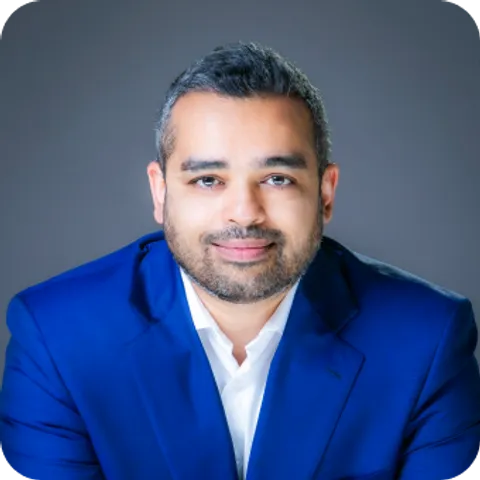
Rakib Azad, CFO at Alkira (ex-MongoDB), on running finance at an infra-SaaS — usage-based pricing, the MongoDB IPO playbook, and building a diverse team.
Chapters
- 00:00 Cold open
- 00:30 From pre-med to finance
- 10:00 From retail finance to infra SaaS
- 24:00 The infra software thesis
- 32:00 Pricing infra software
- 44:00 Building the team — talent, diversity, IPO prep
- 52:00 Systems and processes
- 58:00 The MongoDB IPO from FP&A
- 01:08:00 The first 90 days and career reflections
Show Notes
Rakib Azad is the CFO at Alkira — a Series C infrastructure software company building multi-cloud network-as-a-service. He joined three months before this conversation. Before Alkira, Rakib was at Chainalysis, the blockchain data and compliance company, where he scaled from Series B to Series F as the company became a critical infrastructure provider for the crypto economy.
The center of Rakib’s career arc is his time at MongoDB — the database company — where he joined as a Director of FP&A in 2015 and helped scale the business through its IPO and into a multi-billion-dollar public company. He learned the cloud-database business from inside the Atlas (cloud) launch, and shaped his view on modern infra-SaaS finance from that vantage point. Before MongoDB, he ran finance at Ladders, a New York job-recruiting tech company. His career started in 2001 at Footstar (the Kmart shoe operator), then Footlocker, Avon, and Havaianas — a retail and consumer-products grounding before he made the wholesale shift into tech in the mid-2010s.
In this conversation: the pre-med to finance pivot, why being siloed in retail FP&A taught Rakib what NOT to do as a CFO, the move from retail finance to infra-SaaS, the infra-software thesis (mission-critical, sticky, expensive to acquire but high LTV), how to price infra software (consumption vs commit), how to compensate the sales team in a usage-based model, building a finance team for the IPO journey (and what to hire when), when to bring in Salesforce and NetSuite, the MongoDB IPO from the FP&A trenches, the first 90 days as a new CFO, and the career advice Rakib would give his younger self.
Takeaways
- Retail FP&A trains a different muscle than infra-SaaS FP&A. Retail teaches gross margins, store fixtures, and product-by-product P&L; infra-SaaS teaches gigabyte pricing, consumption vs commit, and revenue forecasting under unit-economic uncertainty. The transition isn’t a re-learn — it’s a re-frame.
- The infra-software thesis. Mission-critical, sticky, hard buy upfront because it’s transformational, but the economics compound. Logo land is tough; the LTV gets delivered in spades once the right solution is in place. Apps get cut in downturns; infrastructure doesn’t.
- Infra software is mostly usage-based now. Predictability of ARR is good for the CFO; sales teams hate the ambiguity. The compensation model has to bridge that gap — incentivize for landed accounts, but accelerate as actual consumption ramps.
- Building the IPO team is a 12–18 month investment, not a six-week sprint. The roles you need for the IPO journey — Investor Relations, SEC Reporting, deeper FP&A — should be hired well in advance, ideally before the bankers tell you to.
- Hire for diversity AND for fit. Different perspectives produce the best collective work; cultural mis-fit produces the most expensive bad hire. The two aren’t in tension — they’re the two sides of the same hiring lens.
- Systems come earlier than they used to. Ten years ago, NetSuite was a post-Series-C decision; today it’s a Series A or B decision. Salesforce + NetSuite as a starting stack at a young company is now the default, not the exception.
- The MongoDB IPO is the masterclass story. The lessons aren’t the bell-ringing day — they’re the years before: building the FP&A model that survives quarterly scrutiny, the beat-and-raise muscle, the metrics disclosure decisions, the analyst-modeling sessions on the roadshow.
- The first 90 days at a new CFO seat is mostly listening. To the team, to the founder, to investors. The 100-day plan that gets written too early usually gets thrown out by day 60 anyway.
Notable Quotes
I just love operations and how the numbers tie back to it.
It's a hard buy at first because sometimes it is transformational. So the logo land is tough. The economics are tremendous — high cost to acquire, but the LTV gets delivered in spades once you have the right solution.
I pay a lot of attention to the go-to-market org and how that needs to evolve.
I love to have a well-rounded team. You get the best work from some of the parts who are really different.
Being in the tech world is unbelievable — it's things you wouldn't have imagined 15, 20 years ago. Now I'm helping these companies become seminal companies, and it's a great feeling.
The IPO masterclass is in the years before the bell, not on the day of it.
Lightning Round
- Sweet or Savory
- Savory
- Books or Podcasts
- Books
- Thinker or Doer
- Thinker
- Scotch or Whiskey
- Whiskey
- Introvert or Extrovert
- Introvert
- How does someone can impress you?
- someone who thinks about challenges wholistically
- If you could be CFO of any company for a day, which company would you choose?
- New York Mets
- One hidden talent
- Singing
- Ideal place to retire
- Spain
- If you could teleport yourself right now, where would you go?
- Dhaka, Bangladesh
- #1 items on your bucket list
- Open an eatery in honor of Mom
- Who is your role model?
- Dad
- What can make you 10x more productive?
- Junior Analyst
Transcript
Cold open
Rohit Agarwal: Hi, Rakib. Welcome to the Strategy of Finance podcast. Really great to have you on.
Rakib Azad: Hi Rohit, thank you for having me. I’m very excited to have this conversation.
From pre-med to finance
Rohit Agarwal: Awesome. Why don’t we kick it off with a little background on you? Tell us how did you foray into this world of finance and became a CFO?
Read the full transcript →
Rakib Azad: Sure, I mean, I’ll go back maybe back to my college days. Now my parents immigrated from Bangladesh in the mid 70s. So I was born in New York. I thought I was gonna be a doctor, right? I think it’s a pretty stereotypical kind of a thing. And went to the University of Rochester and pre-med was just not really for me. I was struggling some classes. I also didn’t like the sight of blood. So it was something that I just like, hey, I always was good at numbers, right? I… I did great on the SATs and math, right? And I just wasn’t exposed to business or anything like that, right? As a kid, my dad was a dentist. But I was like, okay, Rochester has a great economics finance program. And I started in sophomore year. And now I was hooked from there. I did really well. I did all my classes, graduated in time in four years, graduated in 2001. I thought I was going to be into I-banking. Like, you know, you have that background. I did a lot of interviews. Unfortunately, I couldn’t land a role. I got into a couple of advanced stage interviews. And then I’m like, what should I do? I still didn’t really know this world, right? Because I was like, hey, all I knew was what people talk about was, oh, I banking’s great. And you learn a lot. And I could have a great career and make a lot of money. And so I had to go back to the drawing board and just get advice from career centers and other folks. And then I was like, I finally realized, hey, companies need finance professionals. I just actually didn’t even realize that was a thing, to be honest, until I really looked into it. And it was still tough sledding to find a job. And what I ended up finding is a financial analyst role within a company called Footstar. And it was actually one of those companies that are big, but you never heard about, right? It was a 2 billion revenue business. They owned all the shoe business in the Kmart. So if anyone, people who know Kmart doesn’t exist anymore, but it was a large discount store, Walmart competitor, they ran the shoe stores there. They owned a couple of shoe stores called, one called Footaction, which is still around today, but owned by Footlocker, which was the company I ended up working for. So I had this accidental finance career in retail, specifically sporting goods for a while. I branched out a little bit with consumer products. I actually went to the beauty world with Avon products later and then a couple of other interesting roles. But those were interesting days. I’m a New Yorker. I didn’t want to leave. And these are New York based companies. And yeah, got to talk sports, learned a lot, but those are in large companies where I was siloed. I didn’t see the whole three statements. I was doing a lot of P&L forecasting. I was under the hood in the businesses, like for Footlocker, for example, I was talking everything through what all the fixtures in our stores to the gross margins of our Nike’s and everything. So it was an awesome experience, but it was me just putting together, doing some forecasting based on feedback. And it was a lot of good grounding when it came to my, my learning how finance takes, but I wanted more. And I did work for a company called Havaianas, which is a Brazilian company, which creates those flip-flops, they’re pretty ubiquitous.
Rohit Agarwal: Yeah.
Rakib Azad: But there was a startup in North America, opening up the US business, right? And I got to see all three statements, rant financial planning, operational planning, and that really said like, yeah, this makes sense, right? And… But I still was thirsting for something different. And New York City at that time started to develop a tech hub really, right? It had some fits and starts in the early 2000s, but in the mid 2010s, the tech world started to percolate in New York. And I was like, hey, what’s going on here? And I decided to make a wholesale change to go towards this tech world. So I started consulting for a couple of companies in the New York. One was a company called Liveperson, which was one of a few enterprise software companies in New York at the time that was of any substance and got some great learnings there. And then, yeah, I never looked back. My first full-time role was a company called Ladders. It was a job recruiting company, a job called Recruiting Tech. It was, you know, made a lot of noise in the early 2000s when it started. LinkedIn came in, you know, maybe disrupted a little bit, but it was a great first role for me heading the FP&A team. And that was the role that I started learning what a front-end engineer versus a backend engineer was and how a real product team operates, you know, like, you know, the different types of way R&D teams work with the agile, you know, scrum and all that good stuff. And to me, it was a world that got opened up. And I just continued to do my thing. I was a FP&A operator, really working hard with the folks and understand the business. But in a little bit of a twist there, I was reporting into a COO. She had a legal background and she actually moved back down to corporate legal America. And I got the head of finance nod during that role. And lo and behold, this is a hundred person company had about… three folks in the accounting team, one junior analyst, and now I own the finance function reporting into the CEO. And it was one that I was in striving for, I just happened to be an opportunity I got. And that was the first time I had the comprehensive finance leadership role. And this is around 2014, 2015 or so. And really enjoyed it. It was all about cash management there because it was a self-funded company basically. It was a cash cow subscription product. And we’re kind of then taking little shots here and there in terms of, you know, what new products could bring more revenue. And it just didn’t really work out. Right. And so for me, I learned a ton. Uh, and I was thinking about it. Hey, uh, I’m starting to see some of these companies out there who are unicorns now in the New York tech scene. And what I saw was a, uh, a director of FK and a role, uh, for MongoDB. And MongoDB was making, this is like point 15, uh, MongoDB is starting really get some traction from what I heard. And I was able to land that role. And that really was the transformational role for me. It’s one where I went back a little bit to head to FP&A teams instead of being a head of finance. That was a very conscious decision I made because I wanted to join a company that was a little bit more advanced in this product market fit and has a CFO in place I could learn from. And the CFO at the time, and still is the CFO is Michael Gordon, who had a totally different background. He was a investment banker by trade for 20 years. I had one CFO role under his belt before he joined MongoDB. And I was like, okay, this is a guy I could learn from. Uh, you know, MongoDB has great investors and, and I think, Hey, they have a technology that could actually advance database, right? So database, uh, you know, usually I don’t want to get too technical and I’m not taking them off anyway, but relational databases versus, you know, the databases are out there, the oracles of the world and MongoDB was bringing a no SQL. unstructured database to the market, and they’re unique because it’s open source. And I was like, hey, MongoDB’s technology could open up big data applications. So mobile applications that need to serve up big data, MongoDB is there. And that’s exactly how it unfolded. And during this time, when I joined, MongoDB was an on-prem product. But the genesis of Atlas, the cloud database came out in 2017. right before we went public. And that’s where I just learned a ton, helped scale a cloud-based software business and became public. And that gave me a skillset that I didn’t have. I learned how to become, how to help run a public company. I helped run earning call sessions. And that really gave me the tool set and the confidence to say, hey, I could be a head of finance of a high growth tech company. So, you know, it’s a little bit. It’s been quite a journey and that has put me into a couple of CFO type roles, right? I went on to a company called Chainalysis, started as a Series B, went to Series F, and now I’m a CFO of Alkira three months in. And so, yeah, I’m more than happy to dive into a lot of that, but it’s been, yeah, it’s been an interesting journey to get here. It’s, I haven’t seen too many people just go through the operational ranks to become a CFO, but it’s one where… Yeah, it was a unique journey for me that I truly enjoyed.
Rohit Agarwal: I think certainly, I don’t think there would be many kind of medical students who have ultimately became CFO. So I would love to understand a little bit on your move from medical classes to joining
Rakib Azad: Yeah.
Rohit Agarwal: the econ accounting
Rakib Azad: Yes.
Rohit Agarwal: classes. Was it really the first time that you were exposed to the world of finance and kind of before
Rakib Azad: Yes,
Rohit Agarwal: that you had never thought of it?
Rakib Azad: yes, I didn’t take any high school classes, never had any exposure in any way, right? All my friends, you know, they were on the science path, to be honest, from high school. And, you know, growing up, you know, I grew up with a lot of friends who were parents from Bangladesh, and they were all in the, you know, the medical or pharmaceutical fields, right? So I had no exposure. And so for me, it was something I had to find in myself. And I’m proud of myself for making that move because I’ve known people who didn’t make that move. And I’ve seen some people roughed it out, became doctors, and they’re itching to become business people. So, and be in finance or something else like that. And it was, my parents were very, they were the type who were young. were encouraging after they want me to be happy, right? So I was lucky to have parents who were supportive, even though they obviously loved to have seen me become a doctor because that’s just how it is. But they’re gonna make you happy and hopefully you could have a good career doing it. I don’t think they would have ever imagined the success I’ve been able to have. And it is, if you do well in this industry here, it could be obviously lucrative, right? So it’s something that sometimes… these parents who immigrated to this country don’t know about that world. But for me, it was just a natural thing that happened. And it was organic. It was one that I wanted to go to something that I thought I was going to enjoy, and I really enjoyed it. I did actually tinker with the idea of, do I go to academia? But I’m more of a applied person. I can’t think in abstract really well. I’m extremely like, give me, show me something. Now I’ll apply and I’m a doer, right? And I love the theme for me is I just love operations and how the numbers tie back to it, right? That’s been the driving force in my career.
Rohit Agarwal: Super interesting. I can totally relate to parents being very supportive, especially Asian parents being supremely supportive to whatever the kid wanna do. Especially I would imagine like once you have done your courses and you were looking for different kind of jobs and IB specifically and you weren’t able to land it, that must also be an interesting time where, what to do next once I’ve done this degree
Rakib Azad: No,
Rohit Agarwal: must
Rakib Azad: exactly.
Rohit Agarwal: have been something on your head.
Rakib Azad: Exactly. Yeah, my, you know, my personality is one where I don’t stress out too much. I try to keep even killed and I had to think logically what can I do? I am not the kind of person who bemoans, hey, this is happening to me and woe be me. I do say, hey, what is the next step I need to figure out to keep this going? And so I’ve had parts of my career that felt like I’m like on the brink a little bit of what the next step is. And I just have to think, hey, what is. the best step for me that could give me a fighting shot to create a great career. Right. And that’s been a theme for me in the last 20 plus years. And, uh, but I, you know, that’s something I’m concerned myself very resourceful and I had to do that. Right. I’m not, I’m not a natural entrepreneur. So starting a business wasn’t an option. So that’s why you’re like, Hey, I got it. I’ll do, I’ll work at a shoe company and do what I got to do. And eventually, uh, you know, I’ll get to a place that I’m going to be happy. And like, I, you know, For example, chain analysis is software in the crypto blockchain world and that crypto didn’t exist when I was in college, right? So like you never know where your career is going to go. And I love that, right? Being in the tech world is unbelievable because it’s things that you wouldn’t have imagined 15, 20 years ago, some of the tech that’s coming out. And now I’m helping these companies become seminal companies and it’s a great feeling.
From retail finance to infra SaaS
Rohit Agarwal: Well, we’ll certainly dig a lot into Mongo, Chainalysis and Alkira, but before that, I want to understand the difference between projecting 100,000 shoe pairs being sold versus
Rakib Azad: Yes.
Rohit Agarwal: creating a financial model where the unit of measurement is perhaps per gigabyte of pricing.
Rakib Azad: Yes, exactly. It’s definitely a different world for sure. It’s physical goods versus digitally delivered software. It’s one where you have to think in some ways of crafting it. You have to understand what is that price demand equation based on the traction you’re getting in the business. With footwear, there’s a lot of history. That’s the main difference, honestly. Here, like I’m in Alkira, we’re creating a category. And so forecasting is much harder, but it’s the same idea. You want to understand what the art of possible is based on where the market is right now. And then what can we do to invest, to sell more, and do it in a way that’s profitable, or on the path to profitability, if you will. And so it’s just totally different context, because in the shoe world, profitable but barely profitable. But so it’s all about the cost optimizations and while still selling what you need to sell to get hit that profit margin. Here, especially when you’re in the startup phase, it’s you’re setting kind of different ground rules and target points with every year, it evolves every year. And so, it’s hard to really make the direct connection other than the fact that You want to sell as much as you can while doing it sustainably.
Rohit Agarwal: Are there any elements of the retail or physical goods financial planning that you were actually brought, you were actually able to brat brought into the digital financial planning world?
Rakib Azad: I mean, not necessarily directly. It’s just thinking about the same way though, right? Because you want your gross margins to be as strong as possible. So what are the elements that contribute to cost of sales, right? So I’m having those conversations today. And so when it’s in the shoe retail environment, it’s all about the physical cost of acquiring the goods and keeping that lean, right? Negotiating power. Here is similar elements. So hosting expenses is a huge part of our COGS. There’s a negotiation element where you’re negotiating with the AWS Azure’s of the world on getting the best pricing possible. There’s ways to keep the capacity down so we don’t spend as much on the cloud cost. Right. And so the thinking is the same. It’s just a completely different context. But the things that I learned back in my early days is just the grounding of finance and how to run a great P&L, right. And that has something I’m taking with me. my whole career. You have to be very disciplined on that PNL. And that has given me like kind of that DNA for this world of efficient growth, if you will. And it’s been an interesting combination of experiences for me, because I also grew up in the tech world of spend to grow as well. Right. And how do you combine that and the burden in that world right now? And so I really enjoyed my time in the retail world because it’s, it was just, something where I brought discipline to the PNL. And now I’m being asked to bring discipline to the PNL in a startup, right? And it’s given me a lot of, you know, uh, interesting things to go back to look at and what I thought about that back then and how do I apply it today?
Rohit Agarwal: All right, makes sense. We’ll certainly dig a lot into the time at Mongo and the IPO and how to really orchestrate that from a FPNA perspective. But before going into that, let’s just finish the various moves that you have made from Mongo to Chainalysis and then Chainalysis to Alkira. What led you to leave Mongo? It has been a very successful IPO. I think the stock has done tremendously well. The company is doing very well. What led you to say, hey, now I’m ready to take the next step and become a CFO?
Rakib Azad: Sure. And it was not an easy decision because yes, Manga was doing well and I left them at a time when it was going really well, right? The company is growing tremendously and it was a couple of years after the IPO and it was growing like a startup. And it was still exciting and you felt the energy every day. But personally for me, I was the FP&A expert, right? And it’s one where I wanted to be the head of finance again. And I… I could probably stick around for another five, 10 years and maybe not get that head of finance role. And honestly, building is what excites me. So I felt like the work I did with Mongo from the time I joined to the IPO and a few years after, there was a lot of building and the building was starting to level off. I built a great team. They were doing great work for me and the company. And I felt like, hey, I’m in a good place here. I’ve stabilized the FP&A. team and we are now contributing in all facets. We created an unbelievable environment where we were, I wouldn’t call it activists, but we were very proactive in being partners to the business. And I was like, I’d love to bring that to a startup again, but this time as that head of finance and do it, hopefully do it again, right? And build a great company. It was awesome to go through an IPO, unbelievable feeling to be on the floor. NASDAQ, but I think what really gets me ticking is just building a great business. And that’s what really prompted me to find a company where I was like, hey, this could be fun and has a chance to be a great company. And Chainalysis happened to be something that was an inbound opportunity that came to me. I was not a crypto guy per se. I owned a couple of coins on Coinbase, but it was one where I was like, hey, Chainalysis could be a tremendous issue because crypto is human progress and they’re bringing security, compliance and analytics to this world and they’re well ahead in this nascent field. And this is before the crypto bull run in 2020, great investors benchmarking Excel backed them and I was like, okay, I got along with the founders and I think this could be interesting. That was really it. And I decided to make the move. Some people in Mongo are like, hey, you’re… leaving us for a crypto company. And I was like, it’s a software company. I think it could be great. And I think people respect the decision. I spoke to the CEO at Mongo about the decision and everything. And he’s like, hey, you gotta go with your gut. And it was, yeah, I would never have guessed the journey of Chainalysis that I would have got, went through in three and a half years. I joined 120 people. not too much cash in the bank at the time actually. And Michael Groninger and I, we hit it off really great where I really believed in the mission. And we made some critical investments that year one, even before the bull run because I was like, hey, I learned my lessons from Mongo that we got to invest. And so, more than happy to dive in deeper into that role, but I could also jump into the next move. Up to you how you want to.
Rohit Agarwal: Yeah, I would love to hear what kind of investments are you referring to and
Rakib Azad: Yes.
Rohit Agarwal: why did you feel right now? Like what are the elements that you saw in Mongo and said, okay, these are the same kind of, you know, leading indicators that I’m seeing here in Chainalysis that should warrant a good investment at this point in time.
Rakib Azad: Great. And I think with Chainalysis and now with Alcira and Mongo, these are picks and shovels companies, right? And they are there regardless of where the world is going. They’re building the infrastructure required to run other great software. Chainalysis is allowing for the ability to trace the movement of Bitcoin and other crypto and understand where bad actors are there. And this is… building the, you know, planting the seeds for compliance and security that will be required. And so that’s what really what I saw. And it’s good to see there’s some smart money in there, right? That helped me be more confident about it. But I saw it personally with Michael and Jonathan, the co-founders, their conviction, right, of where the world’s going and how chain analysis plays a role. So that gave me the confidence. And so that’s been kind of the way I see things, my valued opportunities. Like, is this a company that is, you know, helping build infrastructure for the new world, if you will, right. That’s been the theme for my, my move, my recent moves. And so it’s served me well so far. And, you know, is the chain analysis is doing really well and approaching, you know, $200 million in ARR, right. It’s, it’s one where. I’m proud of helped build a company that is now in the Forbes Cloud 100 and CNBC disruptors and yeah, it’s a good feeling, right? And so I’m hoping to do that again with Al Ghera.
Rohit Agarwal: You said when you joined Chainalysis, there wasn’t very much cash in the bank left. And so I would imagine as soon as you joined, you had to hit the road for fundraising.
Rakib Azad: Exactly. And we did do just an extension of the Series B because this now, mind you, this is 2020 COVID hit, right? And everyone thought the world’s going to fall apart. And we wanted to get some cash in the bank. And we did do a raise, a modest raise. We brought in a great investor, Ribbit, at that stage. But it gave us a little bit more confidence, right, to make some bets. And, you know, we hired some go-to-market resources. So that’s where I pay a lot of attention to the go-to-market org and how that needs to evolve. And knowing what chain analysis, the business is, it’s a global play. And do we have the coverage around the world required to hit the ground and sell? And so that’s why we made some bets there in 2020. And this is before, again, that bull run that happened. I was also saying, hey, GNA and R&D, you got to look at those. What are critical roles to make sure we hit the product roadmap delivery? So I worked with the head of engineering to ensure that at least can we hire the most critical folks. And then I had to bring in a few key people. And I kept it fairly lean. When I joined, we were in the 20 million ARR range. And I… built a small team of five folks that we took all the way to 50 billion plus. And, but you have to hire really good people. Right. Uh, and so for me, uh, those, those investments we made were pivotal to get us ready for this vote that bull run that happened. Right. And yeah, we would never known that like the stimulus checks that are being written out, uh, prompted this like, you know, main street. crypto bull run and it was great for China analysis because we were providing the compliance products for private companies like a block while also selling our solutions to the public sector, to the FDIs of the world. And so we were ready, since we made those investments, we were ready to meet the moment. And that became a virtuous cycle of just a lot of fundraising and we ended up raising $470 million. a span of 18 months. We did take advantage of the environment and the environment is quite different today. But one experience I did not have until Chainalysis was that investor relations kind of experience. And I met over a hundred investors in my time there and I loved it. I loved meeting different investors with different theses, how they thought about the world. And I learned a lot. And now I have… folks I could reach out to at any given time and catch up and talk about the state of the world, which is quite different today when it comes to venture funding. But yeah, it is what it is.
Rohit Agarwal: Very cool. Now let’s talk about your move to Alkira. What led you to then move on from Chainalysis, which is certainly continues
Rakib Azad: Yes.
Rohit Agarwal: to do it very well, to another exciting company.
Rakib Azad: Yes. I think now the theme is, and I already alluded to this, I didn’t have to get to the IPO stage to feel like this is a job well done. I helped build a tremendous team. My team was around 30 plus people by the time I left. And it was one where, yeah, really great folks in the team who could run the business. And we got to a point where now it’s like, hey, you’re starting to build those little things to get ready to become a public company. And a lot of the interesting build parts were done in the review mirror. And I think with the IPO market also being on the downside right now, it was hard to see what the horizon looked like in terms of that timing as well. And so for me, I was like, Hey, what would I rather do? Do this where I’m just trying to just tinker and make sure the companies in a great health are. Can I build another great company? That’s quite frankly the question I asked myself. And I felt like I gave it my all here three and a half years in, and I’d love to do it again. And so I networked with some VC talent arms, and the Kleiner Perkins team introduced me to Alkira. And I met a lot of decent amount of companies in this past year, to be honest, just to meet and greet. And I’m so happy. I really hit it off with the team, but it was a mutual interest because this is infrastructure SaaS play, right? It’s, it’s creating for me, it’s taking, uh, an established technology and bringing it to the new world, right? It’s a, and it’s, it’s for delivering a networking solution via the public cloud. And this harkens back to my MongoDB days. We were the first database in the world to deliver a database via the public cloud. Right. And this is Alkira is the first company in the world. to deliver a turnkey end-to-end solution via the public cloud. And for me, it made a lot of sense. It just made too much sense for me not to take it. So it’s like, yeah, here I am. And I’m very excited, right? Because I think we have potential to build a seminal company.
The infra software thesis
Rohit Agarwal: Very cool. So you have been now to three different infrastructure software companies.
Rakib Azad: Yes.
Rohit Agarwal: Why don’t we maybe spend a few minutes just riffing about that space in general? It certainly seems like something that is much more mission critical.
Rakib Azad: Mm-hmm.
Rohit Agarwal: And in this kind of an environment where many of the apps are being cut, certainly people can’t just cut out infrastructure software.
Rakib Azad: Exactly.
Rohit Agarwal: So in your experience, as you have seen at least the last, I would say, you know, seven, 80 years of journey in infra software. Can you give maybe your three big takeaways on the space very broadly, and then maybe we pick a few specific items that we would dig into.
Rakib Azad: Sure, I mean, in the new age infrastructure software companies, it’s all about that consumption delivery, right? And especially now via the cloud, when it makes sense, right? And it’s a classic land and expand. So where you land the logo, but the usage dictates where the customer ends up going, right? And so it’s a win-win, I think, for both sides, because the customer uses what they need. And for the software company, you know, they’re able to land, you know, different types of use cases, right? So for Mongo and Alcura, particularly, it’s different use cases using our technology. And so you can land on one use case and get that land in, and then boom, you’re in. And then you have a infrastructure behind you with sales folks and customer success and social engineers to make sure you succeed in that use case. And then other use cases could come on organically. Sometimes you could land multiple use cases right off the bat, right? So it’s one where it just… It just makes sense in terms of how to go to market and how it fits the needs of a customer. And it’s very sticky. And so that’s another kind of thing I’m seeing. It’s very sticky because it’s becomes… It’s a hard buy at first because sometimes it is transformational. Your database is a very tough transformation. Networking transformation is very tough. So the local land is tough. So that’s been a theme I’m seeing. But then the economics are tremendous. So it’s a high cost to acquire. But the LTV gets delivered in spades once you have the right solution. So that’s really been the thematic kind of things I’ve been seeing that just shows the strength of a business when you hit that product market fit, right? That’s obviously the first key point. And yeah, and I think it becomes now so sticky that it’s all about just making sure the customer is satisfied and you’re. Consuring that right so there’s some costs that need to go in to ensure that ongoing satisfaction But it just once you have the primary fit. It’s it’s a great business to be in Mm-hmm. Sure. So the commonalities are usage-based pricing, right? So MongoDB and Alkira are similar in that it’s the data that goes over the software delivery, right? So it’s priced in, so Alicure is priced in a gigabyte. Oh, okay. Yeah, I think there’s an internet issue there, it seems like.
Pricing infra software
Rohit Agarwal: Hey, so that makes a lot of sense. Why don’t we dig a little bit into the pricing side of Infra software? Maybe start with if there are any significant similarities or differences that you have seen across these three companies.
Rakib Azad: Sure. All have usage-based components to it. So it’s one where we’re delivering and you measure it by the units delivered. In Mongo and Alkira’s situations, they’re both data that’s being transmitted. You’re still charging from a gigabyte perspective. And with Alkira, there’s sizing too. There’s t-shirt sizing with the gigabytes being moved over, exchange points, if you will. And it’s one where… consumption-based pricing is accepted by a lot of customers, but in both cases, in both cases of Mongo and Alkira, some customers want the certainty. So there were times where we had to come up with the fixed pricing commensurate to how we think that consumption is going to play out, right? And so we’re going through that right now at Alkira. It is a little challenge where we do have customers who are pay-as-you-go. You have customers who are consumption-commit, so they commit to certain amount of consumption, so we have certainty. on both sides and what we’re going to get. And then we also have a fixed model where we are just giving a fixed price. And right now that obviously made me nervous as a finance leader and I had to dive in. And right now it seems like it’s a profitable business. We gotta make sure that’s the case. And that’s where the pricing becomes key. Because we gotta look at the cost components, how the customers are using our product and then build a pricing that makes sense. Whether it be… consumption are we converted to a fixed price. And we do want to be very flexible when it comes to our customers and what they want. And so that’s something, it’s going to be one of the bigger challenges that I’ll undertake here at Alicera. But when it comes to pricing power, it should be no different than any software company where there’s obviously things like inflation happening and you have to, the more sticky our product hits and more market share we have. you have pricing power that gets built, right? So I was able to see that at Mongo and a little bit in Chainalysis. Chainalysis, we built it, we have a compliance product that was transaction-based. So every time a crypto transaction’s made, they look at our software to see, hey, is this a red flag associated to this crypto? And so we built a model around that and it was a tiered pricing. So if you get to a certain amount of volume, you unlock… discounting, right? And so that became that model where the more you use the software, the better pricing you get on a unit economic basis and becomes a win-win where we’re getting more volume. And there I instituted the ability to upgrade to a new tier where you commit to the dollars and then you get even better pricing, right? So it’s one where… We did a little bit of that in MongoDB as well, because at the end of the day, you also want some certainty while giving your customers flexibility. So that’s the theme is how do you traverse that, right? Because I, as a finance leader, want that ARR certainty, but I want my customers to be happy as well, right? And so there are permutations you got to look at to get to a good place. And so sometimes it’s great when a customer says, I need certainty on my… my expenses because for them it’s an OpEx, for me it’s ARR and we can meet together on a model that makes sense. But we do have the unit pricing of, by gigabyte is the building box, then you have to build it in a way that makes sense for the company and for the customer.
Rohit Agarwal: I’m sure you like the predictability of the ARR, but I’m pretty sure that your salespeople would
Rakib Azad: Yes.
Rohit Agarwal: love that even more. I’m curious to understand, how do you incentivize sales
Rakib Azad: Yes.
Rohit Agarwal: in this kind of a model where they may not know if the ARR that they’re getting from this customer is going to be a million or
Rakib Azad: Mm-hmm.
Rohit Agarwal: half a million or five million?
Rakib Azad: Sure. And yeah, that’s a hot topic right now as we go into the next year. And for, you know, for the pay as you go, right? So some customers want to pay as you go. I am talking through with our head of sales and CEO that let’s measure every quarter for the first year. Right. And so month three, what is the annualized number? And it’s an interesting one, right, because it’ll keep an executive tied to the business, whether it’s good or bad. Right. Because one of the things we’re going to do is if it dips below the previous quarter, it might go against your quota attainment, for example. Right, so it’s going to be an interesting kind of thing to analyze as time goes, but I am open to doing that. We don’t have this in place right now. So like every quarter, let’s see what that analyze revenue looks like. And I’m willing to pay on the spread. And that will, yeah, I think that should work well mutually. And then… We’ll see if the salespeople rather do the fixed pricing and get that check at the front end. I’ll be happy as long as we build profitable deals to do that. So we want to set up a commission plan that is fair, but one that guides towards the best outcomes, which is like, I want more certainty. So I want the customers to have flexibility. So consumption commit, for example, is a great one. have that commitment in place, and you know the dollars are gonna come in and let the customer use as they please during that year. But it’s a user to lose it, right? Because then you have revenue recognition issues if you’re letting them roll over after the year, right? So that’s one of those things I’ve already made sure people are aware, like rolling over the commitment is not going to work. And so it’s like how do we just make sure we have the guardrails in place. * * *
Rohit Agarwal: Very cool. You joined Chainalysis as well as Alkira around the same time from a size perspective, right? More or less. And I would imagine that at that point in time, you wouldn’t have already a lot of people in the finance team or the broader business analytics team. So tell us how do you go about building the winning team
Rakib Azad: Mm-hmm.
Rohit Agarwal: and if there are any sort of tips from the MongoDB days that you have seen that worked out well on the scaling to an IPO.
Rakib Azad: Yes, absolutely. And for me on the MongoDB side, I had the FP&A team and there I was leading at first. And what I needed there is one of the first folks on the team was a Jack Valtrye strategic financial analyst who modeled the heck out of three financial statements, but then learned the business very quickly and is able to then turn around inputs very quickly. And that’s going to be a profile I’ll be looking for here because that allows me to make decisions and get insights quicker because I want to start working with our stakeholders on just different scenario planning. If we did X, how does it turn out? If you did Y, how does it turn out? And you need one strong person who is taking those inputs and turning around. And my modeling skills are atrophied. So like right now, these first 90 days, I’ve been doing a little bit of it and like. it’s not going to scale, right? So that’s going to be one of the first hires I make. That is that person who maybe had the iBanking background, so all they did was modeling, and has one operational experience under the belt. So that profile is one that I hired again in Chainalysis, and it’s one of the most valuable profiles in terms of the first one of the first few members. And then right now, the accounting is with an outsourced team. They’ve done a good job right now to get to where we are today. You know, this company is going to have so much permutations when it comes to contracts assigns, the RevRec. I’m already a little bit worried about that. So we’ll have to hire a strong head of accounting leader who has that revenue rec 606 type experiences and has a strategic mindset. I think that’s it’s important for the accounting, I think, leader to have that mindset because I always say for the finance, like, I don’t care where you sit, like you could be junior accounted to the most senior FB&A person. I want you to be proactively thinking about how to help grow this business. Because you’re going to have unique access to information. So it’s one where get the accounting leader in and then we’ll see. Then you think about that head of FP&A once you get to a certain scale. And so that’s kind of how I approached it in Chainalysis. You hired a good couple of strong FP&A folks, a couple of strong accounting folks, and then you scale for a little bit. And yeah, I think. not able to hear you. Got it.
Rohit Agarwal: Are you able to hear me?
Rakib Azad: Yes.
Rohit Agarwal: Okay, it is rolling. Do you want to start again maybe from the FPNA profile?
Rakib Azad: Sure.
Rohit Agarwal: Sorry about that.
Rakib Azad: No problem. So one of the profiles I look for is that strategic financial analyst, right? So a profile who’s really great at modeling three statements and taking inputs and being able to learn the business really quickly so they could turn around insights to me. And that has really, that profile has really worked well at MongoHT Analysis. So I’m going to be opening up that role. uh, the NQ1 and knowing that will help me just accelerate, uh, how I think about the business based on different scenarios. I’m, we’ll be working with our stakeholders to think through if you invest in X, what do we expect? And if you invest in Y, what do you expect in having that modeled and all the way through and start thinking through that three to five year. And so having a strong person to help the short and long-term planning is, is key. And then. from an accounting perspective, having a very strategic kind of accounting is something I’ll be looking for this coming year. We right now are outsourcing the accounting and the goal for me is to find somebody who knows the nuts and bolts of 606 accounting, but also could speak shop with me, right? And think through how to build the right accounting team based on our business, right? And because every business is going to be unique and you’re going to need a different set of… experience and skills, right? And having that accounting leader is going to be key. So it was going to be one of the first few key hires. Business ops and analytics is going to be key, right? That’s another function that was built in Mongo. That was a big driver of the business in terms of insights and driving a lot of kind of the stuff you saw in the last one, right? And, but also really give insights to stakeholders throughout the company. And we built that muscle in chain analysis and it was a small building. lean and powerful team that really brought out product insights that helped us think through how to invest, where to double down on. And so I want to build that muscle in Alkira. And so that’s going to be another role that I’ll be looking to hire somebody who’s a jack of all trades at the beginning, right? Then hopefully could scale and build their own team. But so a business, I call it business ops and analytics. So somebody who has the data analytics skills. But then could think through strategically, almost like an internal consultant. Right. So it is a little bit of mixing a couple of skillsets and that person could potentially then hire a data analyst and biz ops folks, you know, the different. Uh, strengths. Uh, and then we’ll see after that, right. Uh, if the company scales the way I hope it does ahead of FP&A, something I would look for, but you know, having just a good strong, uh, earlier stage, after any folks at this time makes sense in that I have that FP&A background. So really, I think I need three to four good folks to take this journey from B to series C to D. And then there is an inflection point that happens where you have to really build out the team throughout the work because this is where you start thinking this is a company that could become that public company. And you now need more skill sets or more direct, for example, a technical accounting leader, somebody who understands the latest and greatest of… what’s out there from guidance gap wise, and making sure that we’re setting up the foundations in a way that is gonna be passing a SEC muster, right? And so that happens when you’re in that band stage part of your life. But right now it’s getting around less than a handful of folks who got the ability to stretch. And that’s the mindset I have, right? Right now I’m doing everything under the sun, right? Which I enjoy. It’s not scalable, right? It’s definitely not scalable. And for me, it was a unique experience in chain analysis to go on that journey of where I’m just rolling up those sleeves to the point where I had a 30 plus folks on my team and yeah, I’m an adaptable guy. And I think that allows me to be successful in this kind of curve, right? Where you’re seeing tremendous growth. This section missed out * * *
Building the team — talent, diversity, IPO prep
Rohit Agarwal: At your timer chain analysis, were there any specific traits that you were able to pick which worked very well in your team versus that didn’t go so well for whatever reason?
Rakib Azad: So I like to have a diversity of thought and experiences and even personalities. So I’ll be honest, there’s certain roles, there’s certain traits out there, but then there’s other roles that don’t require those traits. So I’m not looking for the same trait throughout the finance org. But so somebody who’s on the FP&A team, they have to be able to talk to stakeholders, right? And have meaningful strategic conversations. You can’t just be technically proficient and be successful FP&A person. For example… But accounting, the best accountants I do think have that same quality. But you could be a really great accountant and just be technical and that fits the need of the team. And I’m fine with that because we need it. And so I’m open-minded when it comes to the folks we bring in. And if there’s a misfit in terms of what I’m expecting from that role versus what they’re bringing, then you have to think about change. I don’t like to get there, so that’s why I do put a lot of emphasis in that fit aspect in the interviews. But I love to have a well-rounded team because I think you get the best work from some of the parts who are really different. And if you have a bunch of folks who just have the same traits, then you actually may not get the results that you thought you were going to get. At least that’s been my viewpoint these past five. plus years when I’ve been building these teams.
Rohit Agarwal: You of course are based out of New York and all kinds of talent
Rakib Azad: Yes.
Rohit Agarwal: are available in the city I would imagine. When you actually go and build a team, do you specifically wanna solve for diversity or it happens naturally if you’re looking
Rakib Azad: Yeah,
Rohit Agarwal: for the right kind of trades?
Rakib Azad: it’s a good question. It’s one where you want to hire the best people. And New York does lean towards naturally building a very diverse team. So I’ve been, so Chainalysis did among DB, my team’s been incredibly diverse on the classic measures, if you will, but it’s some of it, it was just the, you know, it just happened to be, right? And you’re not like overly chasing that, right? And, but yeah, I do. when it comes to pipeline creation for candidates, if there’s no females on the pipeline, I’m like, hey, what’s going on here, right? Because I do want to make sure we have a healthy funnel that’s bringing folks from all backgrounds. And then you really want to pick the best person for the role. But if you take that approach where you are encouraging some effort to bring in a wide pipeline, it naturally then becomes a diverse team. And so that’s something that I do think is important. But for me, the diversity goes beyond your classic measures. It’s like, hey, even how you grew up, different socioeconomic backgrounds, I think, is interesting. And so it’s one where people learn from each other and respect differences. And you embrace the differences. And that creates, I think, a bond that is better than when you have folks maybe coming from the same background. And so That’s something I take pride in when building teams. So something I’m going to continue to do, right? And making sure that we are interviewing folks that could may not look traditional on paper, but could end up being a great employee. And you just give them the same shot as everyone and then you’ll see how it turns out.
Rohit Agarwal: Make sense. You talked about a few of the roles that only make sense when you are approaching an IPO.
Rakib Azad: Mm-hmm.
Rohit Agarwal: When should the company really make that kind of investment in advance of an IPO? Is it a year in advance, couple year in advance, maybe six months in advance? How much time
Rakib Azad: Yeah.
Rohit Agarwal: do you wanna
Rakib Azad: Good question.
Rohit Agarwal: give them at the company?
Rakib Azad: Yeah. And you have to almost create a matrix of the roles you need versus maybe a horizon to an exit. And so for example, what are the roles that are, you know, you don’t need really in the early days, but helps you become a mature, better, better company, regardless of you go an IPO or not. Right. And you kind of, that’s that next layer of like, this is just helps us scale and build a great company. We still don’t know if it’s an IPO, are we, are we going to exit if you just stay private, but like, how to build a great company and you kind of look at that. And that’s where you start building in that business partnership, FP&A. So you have folks who are dedicated to R&D or folks dedicated to sales. And then you’re building muscles there to just really take it to a nice level. Then same thing in the county, there’s levels of folks you just need to hire just to scale the company. So that’s that first tranche. And that, if you look back to my MongoDB experience, that really starts happening. like you wouldn’t probably less than two years after I joined, you’re already doing that when I joined, right? You have to start because we made, I think the board gave the go-ahead to the management to push towards an IPO by late 2017. And so I just joined and we were already thinking about that while having a lot of startup pains. But if you’re able to do it in a way that’s more systematic, I would say you start hiring this next tranche. three years ahead of even IPO, right? So then when you get to, you know, hey, the decision’s made that we are definitely on that IPO path, but we’re still two years out, you start bringing in like that level of technical help, right, like that technical account leader, not necessarily the SEC expert, right? But the person who understands like, hey, you get the amortization, helps us pass a PCAOB audit, right? Like that’s where you start. doing that two years ahead, right? And so you bring that next tranche of folks who are now like, hey, this is the precursor elements. And then, yeah, it’s one year and less is when you bring that internal audit, the SEC folks, think about that head of IR, if you think it makes sense, right? Based on your current setup, right? Because sometimes you even get by just having great third party IR, right? For example, so, but that’s when the six months of the year is when you bring that last. group who are really truly specific to being a public company. And everything checks out from a metrics perspective. In MongoDB, we were looking at all types of metrics to help us ensure that, yes, it makes sense for us to IPO. And then you start thinking about hiring those folks. Because what if you just pull that thing, and then you have folks who are idle for another six months, a year, or even longer? So you wanna make sure that timing is pretty rock solid when you bring that last group in.
Systems and processes
Rohit Agarwal: Makes sense. Let’s talk about systems and processes as well, right? We’ve talked about people. When is the right time to bring in, you know, more automation, more systems, more processes? You know, you’ve worked at, again, pretty sort of relatively early stage companies and kind of scale them. What have you seen? What is your first other goal standard from your perspective?
Rakib Azad: It’s never too early, in my opinion. So I am right now doing a lot of due diligence on systems and processes, and I’m building a roadmap on what the right permutation is of different things to bring into for automation. And you started the basics, right? We do have NetSuite and Salesforce in place, but they’re not connected together right now, right? So that is one of the first things I’ll be attacking. That was the first thing I did at Chainalysis. This is a great time to join where you have the big guys already in Salesforce and NetSuite because those are the ones I, that’s one of the few that I agree that should be in and it’s no questions asked right now. And now it’s a connectivity and running your processes, right? You’re order to cash and you’re kind of in other things that, you know, in terms of building that interconnectivity, when you have data coming from Salesforce in the NetSuite. So that’s something we’re attacking pretty quickly. I’m already working with the team on getting that in place. And we’re in a world where with the SaaS consumption billing, there are new tools out there that are helping automate that in a way that isn’t there in the current stack. And so those are things you have to do because it’s, for me, like if you have leaky buckets, you’re not going to have cash conversion cycle at the place where you need to be where cash is king. So you got to start bringing in the process systems ASAP. This is the time we’re going to be a global company. We’re going to be selling everywhere. So I want a robust travel and expense platform. And so bring your own travel. It’s going to be obsolete pretty soon. So I’m looking at every process, procurement, P2P. There’s a lot of tools out there right now. And I want to bring in a light robust process on the front end because I don’t want to be overly bureaucratic here, but we’re running a procurement process where the backend is is has the guardrails that we could pass an audit with that we are getting doing the right things. Right. And so that’s, so I’m enjoying right now actually doing just meeting a lot of software companies, some I’ve heard of some are who are new. And and I’m going to see, I’m going to try to stack up processes and systems that are automated wherever I can. Again, without being intrusive to the business, right. That’s that’s like, I’m very mindful to that. And you know, there’s been some missteps in. I’ve seen the past with it when it comes to that, right? And I want to avoid making those errors where, you know, our employees are like, Hey, this is creating work for me. All right. You want processes and automations that actually make people’s lives easier while also building the backend guardrails and then compliance that are required. And I’d love to get that stuff completely in a great place this next 12 months. When I talk, when I’m saying all that stuff, I’m talking about the core, the OTC, the P2P. the FPNA tool, right? And we have a game plan where every major process is systematized with the best tools.
Rohit Agarwal: It’s interesting when you said that both a chain analysis and Alkira, you have found Salesforce and NetSuite already present.
Rakib Azad: Yes.
Rohit Agarwal: 10 years back when I used to do banking in the valley, NetSuite people would only start thinking about making that investment once they are past 50, 60 million in revenue.
Rakib Azad: Yes.
Rohit Agarwal: And so just having that dramatic change where now people are deploying that very early in the cycle. It’s like that just talks about the maturity of some of these companies and how they think about scaling.
Rakib Azad: No, exactly. And then so it makes I think everyone’s lives easier, right? For the, on the scaling perspective. So right now it’s all about then optimizations on these tools because they’re very powerful tools, but they need customizations to the business. And so that’s where we are right now, because then it’s a, it’s a, it’s a loss investment for not starting to customize to your specifics of your business. And then you’re, what is that ecosystem around that Sweden Salesforce also look like, and, you know, there’s going to be on the sales analytics front, we’re talking, you know, something like a Clary, right? And then. So that could help to recharge insights into the pipeline of the business. And we’ve had success using that in my past experiences. And then I also want to see from an FP&A perspective, there’s old guard, but what’s the new guard doing and what can it solve some of the issues I’ve seen in the past that haven’t been solved, right? And so that’s where once you have the foundation and you can start thinking about these things. So that’s why I was thrilled that we had that because I could now actually think about that next. stage. And the connectivity tools are much better today, right? Like the barricados of the world versus back in the day, you needed a full engineering resource to do APIs. Now you have APIs that can be created pretty robustly just using a… I mean, I could potentially learn like the formulas to disconnect the system. So I’ve come a long way in that world. And so that allows you to turbocharge… that foundational process design and automating things.
The MongoDB IPO from FP&A
Rohit Agarwal: Very cool. Let’s talk about your time at Mongo and sort of from an FP&A perspective, how to really go through the process of an IPO.
Rakib Azad: Yeah.
Rohit Agarwal: You can dumb it down and be very tactical in terms of this is step A, this is step B. It’s more like a masterclass in terms of FP&A, in terms of like going through an IPO from an FP&A standpoint.
Rakib Azad: Sure. Yeah. And from an FN perspective, we have a unique seat in there because we’re both actually in the backend working with the accounting team on like just the nuts and bolts where it comes to the variance analysis because you’re supposed to, you know, obviously have your cute quarter-over-quarter, year-over-year variances that are, you know, then produced in your reporting. So that’s like setting that infrastructure and working with the accounting team was a big workflow, right? In terms of, we’re actually educating the accounting team a lot about various, they eventually actually… take over the verbiage that goes with the variances. And so that was a lot of handholding to be quite honest on like, because they, a lot of times the accounting folks are closing the books. They don’t actually see what’s going to happen with the underlying drivers. And so that was a lot of that work that happened behind the scenes where I’m sitting with that, with the accounting and going over the variances and yeah, you, uh, teeny is off because, uh, you know, this be hired X many people now in internationally and teeny is up, right. And we’re going line by line. So that, that’s a. infrastructure building and education happening behind the scenes. Then we had the front end seat where we’re helping with the company deck, right? And because a lot of it is analytics, SaaS metrics. And so we are helping build the company deck, the roadshow deck. And so that’s another area. But I had a unique part of the process where the CFO tasked me to own our kind of red, yellow, green sheet. when looking at different areas, whether governance, systems, in terms of board composition and everything. And we’re kind of looking through, hey, where are we? Are we yellow because we have XYZ done? We still need to do this. And we reviewed it every two weeks. That’s the CFO leadership. And so I got to have a finger on the pulse working on that and allowed me to… work with different folks throughout the org and sort of example systems, that’s one area is like what’s in scope or not, right? Within terms of producing data that will go on to your S1 and Q reporting, what should be in scope? What should we take out of scope? Right. And so these are just really nuts and bolts stuff that I got to get exposure to and help out. And so, so then FP&A, we needed a good enterprise system. So we did go with adaptive, which is owned by Workday today. And it’s one where I’m not, you know, it’s one I’ll evaluate again, if it’s the right tool or not, but there’s new tools out there now. But that was the tool that was well accepted as an FPNA tool to produce your forecast. The version controls are robust, and that’s what I think was most important, right? And, you know, a lot of that will inform our, you know, our variance reporting. And so making sure that it was all in order. And so that was all the backend stuff and the front end, you know, going back to the company deck and then also starting to forecast what a Wall Street model looks like, right. And what is, what does a beat and raise look like with our internal forecast? So that’s where FP&A really was. Obviously that’s a, we’re at the center of that because we had to build that internal reporting. I’m the guy, you know, I had a, you know, a great person who was doing the lot of the modeling, I was the guy talking to all the stakeholders and. really making sure we got this three year view down as strong as possible from internal perspective. Then so we can then come back and create what a being raised model could look like. Because we wanna make sure that, hey, do we have this right runway to do that, right? And be successful. And so we… You know, FP&A like was, we had to make sure we get that internal forecast rock solid, right? And that’s your, that’s your bread and butter FPA. It doesn’t matter if you’re going public or not, you want to be as accurate as possible, but just help the states were hired to ensure that you’re, you, you were not, you know, you had the best middle of the road forecast. So you could then build that Wall Street model, help the analysts build the whole street model, right? And then yeah, we weren’t just involved in all the nooks and crannies of what needed, what was needed for the S1 drafting. I got to sit in those S1 drafting sessions, got to sit in the banking bake-off sessions. And I was there, flying the wall, but just then absorbing and then regurgitating that, making sure I’m then taking that back to how we think about our forecasting and what’s important to investors. So that really changed orientation of how I thought about some things, where what is important to investors is obviously going to help our share price. And what can I do to help? optimize our PNL via that. Some of it is business operations, some of it honestly is sleight of hand accounting that’s still within GAF standards. It just changed that mentality, and making sure our PNL is optimized for the business. And you start thinking about things like GNA allocations. For example, in the early days, you put stuff into GNA, you don’t think about it, right? And you put all your rent into GNA, but… Yeah, once you go to like spending more on GNA is not going to win you a share price. And so the real you should be allocating that right. You should be allocating it based on usage. And what are other things that are based more like you based on usage by folks and you could allocate by headcount. Right. Those are the things that start happening during that run up to the IPO. Right. And I enjoyed that actually spoke to my strengths where I’m it’s almost like this. It’s a puzzle out there. to build that puzzle in the best way possible. So that really galvanized me during that time, is like, how do we deliver a P&L that’s gonna actually show what the investors wanna see? Right? I know I covered a lot there, but in a nutshell, if you are an FP&A team that is very proactive in the business, you’re gonna be everywhere in the IPO process, not just that. front-end forecasting, but you might be involved in the systems stuff. You might also help spearhead the tracking of the different workflows, and you’re working on accounting to educate them. So it was an interesting experience to say the least. And I’m proud of where the company’s success. We had a good debut. This is before the cloud craziness. So it was a muted debut, but the company is doing tremendously. Yeah, I look back fondly that I was able to help that foundation building for where it is today.
Rohit Agarwal: Makes a ton of sense. Whenever I look at financial planning for a software company, it always feels like the expense side is relatively easier to forecast compared to the revenue side.
Rakib Azad: Yes.
Rohit Agarwal: Especially when you think about getting a revenue forecast from your sales team, which at times could be super motivated to put a very high number or on other times can kind of sandbag it. How has a… FPNA lead, you take that into account, but then of course put your view on top of it and come up with a forecast which would have the least kind of margin of error or the tracking error if you will compared to the actuals that might end up happening.
Rakib Azad: Yeah, absolutely. I mean, this is, you know, software revenue forecasting is a challenge, right? Because I think we alluded to earlier, right? It’s like you’re an evolving space and the demand is, you know, is dynamic. So for me, the classic things in, in sales software is there’s a capacity component, right? And so if you’re not, if you want to hire XYZ, right, there’s a productivity that you have history on. And you can do some trend analysis too, but productivity after a while per rep starts becoming pretty standard, right? So by the time my late my turn in your MongoDB, you have a good beat on your productivity. So that becomes more of a science actually. So like, here, where do you guys think the pipeline is showing that we need to hire? Let’s bring the hires in. And then my team is then calculating our expected bookings. And then you go into the CRO conversations, right? You want the CRO to be like, hey, this… Makes sense or not, because the CRO, you have trust that they are thinking about this holistically, not going to sandbag, but we’re, so we’re building up something that is come working with RIVE Ops, go to CRO, you have those conversations. I’m still looking at independently the pipeline and I look at historical pipeline, you know, top of the funnel to close and those dynamics, right? So you, because you want to make sure you have a healthy pipeline, you have the capacity to deliver it. And then. The X factor is like, hey, the execution from the sales is good to close these things. And that’s where you like, you kind of have to put a certain amount of pressure on the org. So you kind of create some choke points over like, hey, you wanna hire that many people? This is what I expect, right? And it’s a little bit sausage making and then yeah, it’s something that’s, it just makes sense, right? To triangulate. Right. And so in Alkira, you know, it’s a challenge because it’s early days and, uh, you know, where it’s a, the market is growing as we speak, right? It’s, it’s, it’s real time growth. And so that this is all again, all about like the art of what’s possible. And so I’m looking at the pipeline. I’m looking at like our current capacity. What, what do we think the process is that we don’t have enough historical trending on productive capacity? What do we think the productive capacity is? And then there’s a push and pull. And. For me, I get the confidence because with the pipeline, we have the capacity and then hearing now, right now we have really large ticket lands and expand, hearing the stories of what’s going on in each of these opportunities, the big ones, and giving me the confidence it’s happening, and then you kind of build it back into a revenue forecast, but it’s tough in the early days, but once you get some of the history in, it gets easier, to be honest. The consumption piece is where it gets now tricky, right? Because Mongo, we went through this transformation from all ratable licenses to this consumption component. That adds a permutation, right? But we still use that productive capacity as part of it because they’re still in charge of selling X amount of dollars, but now it’s coming in a different way. But this is where I do think the business analytics and FP&A functions need to work more with the sales folks and help them. see what’s going on under the hood. So that is actually a big thing that’s on my mind right now is consumption analytics. And we do think there’s some billing, the billing tool that we’re potentially going to bring in is going to help us with analytics to help our salespeople understand how our customers are using it. So then they could forecast the business based on the usage. But it’s still we’ll plug back to like, what’s the pipeline and I’m going to hold them accountable to put, put a pin on the number. as best as possible as they go along the opportunity. So you need the hygiene, the real rigor on forecast updating with your opportunities because that’s the only way we’re gonna then have accurate forecast. Because I need folks who are out there meeting these customers to gauge with every meeting what the latest potential size of this opportunity is. And then you gotta bring it in. And so… Yeah, I’m not sure. There’s no silver bullet, but there is, you know, there’s a little bit of science and art to this.
Rohit Agarwal: All right, why don’t we move to with all the experience that you’ve had and all the discussions that we have just had. How would you characterize or define rather the role of a modern CFO? What’s in your view is a modern CFO.
Rakib Azad: Yeah, obviously you want that you’re the guy who knows numbers and you have the foundation of us understanding how P&L and everything works. But now you are that strategic business partner with that acumen. And so that’s why I’m at the seat of the table in leadership or I have, I’m going to talk strategy. I’ll talk through investments that I think make sense. I’m going to be not shy about saying this is what I’m seeing and what I think could be helpful. Right. sometimes maybe people could even forget them, the finance leader, right? I think that’s like, I think the modern CFO is somebody who is desired from stakeholders to be a thought partner, right? Because they view them as like that independent thought partner who has obviously privy to all the numbers and it’s a safe space to do chat, but I’m gonna be a guy who’s gonna have the empathy and also hold you accountable. Right. So that’s what I pride myself on. I think the modern CFO needs to have those two aspects in them. Like, is in that has served me well, uh, because I, I go to great lengths to understand that part of the business of a leader and the folks underneath the leader, uh, because I love meeting folks throughout an organization, uh, regardless of where they sit and, uh, being, then understand the business, being empathizing with their challenges. Uh, but then. helping inform them about the bigger picture. And so I think it’s up to that modern CFO to deliver the company’s strategy in a way that’s digestible for each of the leaders. And then we’re all rolling towards the same goal and I’m gonna help you make some tough decisions, but there are gonna be some tough decisions. And I’m gonna use my finance acumen to get there. And obviously that’s respected. And but I also want to be one who’s going to be also be an ally for you if you I do think your investment is going to be the right one. So so that I’m that I’ve been person who will actually ask to spend more sometimes right and that’s I think the strategic CFO has to do that right because they have to put be able to put a stake in the ground and say hey, this is something we have to do because of XYZ and I don’t think that was really something that happened in the past. It’s happening much, much more frequently when I meet other folks, other heads of finances. But yeah, having that real scene in the table is going to be earned through that empathy and accountability. * * * This section is cut off
The first 90 days and career reflections
Rohit Agarwal: All right, makes a ton of sense. Why don’t we now talk about your first 90 days at Alkira?
Rakib Azad: Mm-hmm.
Rohit Agarwal: Usually I really like to pick the guest’s mind on the first 90 or 100 days that they would advise a new CFO. But as you have just gone through that journey, I would really maybe like to turn it around and talk about your actual 90 days. What have you done? How have you approached? these 90 days and now that you stand here, whatever you had in mind on day one in terms of whatever you wanted to do in the next three months, have you been able to do that? And kind of where do you…
Rakib Azad: Absolutely. And so for me, first thing I went on is a listening tour, right? I really wanted to understand the business. Rohit, I think you may have. May have lost you, so we might do. I can hear you now. Yeah, I think we might wanna redo that one. Or… Oh, okay. Ah
Rohit Agarwal: All right, we are back. So you can just restart with your response.
Rakib Azad: Yeah.
Rohit Agarwal: I think then we should be good to go.
Rakib Azad: Yes, so the first 90 days, the first thing was a listening tour, right? I wanted to meet all the stakeholders, understand they’re part of the business and ask questions that will help me get more educated, right? Because I don’t want to hear somebody coming in hot and say, Hey, this is a playbook that I’m going to run, right? It’s, it’s, it’s definitely not the approach I want to take. I want to understand the, you know, the challenges and where I could be potentially helpful. And then, you know, I start sharing anecdotes if it made sense. And that was really the first few weeks. And, but. We had a board meeting one month into my tenure. So one of the mandates was to actually recast kind of some of our SAS metrics. There was SAS metrics that weren’t being produced, or maybe not produced in the right manner. And so that was a retrench. So for me, part of the to-do list was to do a deep dive of all the data we have and turn that into insights. And that allowed me to learn the business. So that was a forcing function for me. to learn the numbers as soon as possible. And yeah, the board meeting went well because I got to really deliver the who’s who of metrics. Here’s our LTV gag, our Net Review Attention, our magic number of burn multiple. These are things they haven’t seen. And that was, it was great for me, right? So I just, it was obviously one month in board meeting, but it was an opportunity for me to turbocharge. learning the metrics and help cast the light on that things are going well. We are showing a land expand business. And so that was a check for me that I was able to build a new baseline when it comes to the metrics that we’re reviewing. And then the goal was to get then the first draft of FY24, we’re in the calendar of your fiscal year plan. And that was already diving in with the on what they’re thinking for next year. And what I started doing is benchmarking our business to businesses our size. There’s some good research out there put out by VCs that I started looking at and started crafting a game plan on what does our Tony Ferdinand need to look like and beyond, but really 24. And can we meet that moment, bottoms up, right? And so having those conversations, I think people really appreciate that. My goal was also to meet folks throughout the organization. So I encourage people to reach out to me. And that allowed me to learn more about the business. I’ve talked to some engineers and folks in sales and, and hearing their pain points, right. And giving them feedback. Yeah. I’m passionate about that, that go-to-market finance partnerships. So I’ve been doing a lot of work for RevOps and, and setting the groundwork there and what, how we think about looking at things. And so, so Yeah, it’s been really fun, right? I’m excited because of the product market fit. And now it’s all about the, yeah, this is the work that I’m willing to do because I wanna build a great company. And so I’m learning, having to learn the technical side of the business. So that was another part of the checklist, right? Like, you know the business well enough where I could at least talk about it with an investor, right? That was another. to do and I think I’m there, right? I’m still learning because this is an evolving world when it comes to our product. We’re building more functionality into it and what does that mean for companies who use our products, right? And so I’m just trying to be smart on that and giving the CEO more leverage when it comes to investor conversations because he’s got plenty to do and I wanna be an asset there. And so… So I think that’s been successful as well, right? In terms of getting the understanding of the business enough to combine that with an understanding of the numbers and starting to tell that story that is going to get, you know, interest piqued, right? And yeah, overall though, it’s, you know, I’m going to continue that progress. We’re going to close out the 2024 planning very shortly. And I’m very excited to then really dive into the, you know, the underlying drivers and how we could. Optimized both in the revenue and on the cost side. So so laying down the seats for that in the first 90 days Is another thing that I was looking to do * * *
Rohit Agarwal: Very cool. How do you define a successful career?
Rakib Azad: Yeah, I mean, it’s a, you know, you have your classic things or your, your title and your, and how much money you make, but that’s, yeah, I’m very happy in that regards, but it’s one where I want to feel good that I helped build great companies. I think this is the theme I’ve already set here, but it’s such a great feeling. And I’m grateful. I’ve been in the position to be building companies that no one’s heard of when you join them and now that they’re now household names in the tech world. Right. And. It’s such a great feeling to contribute to that. And you say, hey, we’re the unsung heroes. And yeah, I think finance and FP&A folks are unsung because there’s stuff that we do that helps bring that inflection curve, right? And I don’t need to have the, hey, we keep that XYZ inside of the world, but it’s a personal satisfaction, right? That I’m able to help that inflection point because product market fit only gets you so far. Right. And so for me, being that finance leader who helps galvanize and does my part to build that great company, uh, it’s, it’s got me to a great place where I’ll be, you know, I’ll look back and say, Hey, I’m very happy. I went on this path. Right. Uh, and, uh, while it was great to be, you know, say, uh, I banking and consulting, those are great careers, but helping build, I think I’m glad I’ve been on this journey. Right. Uh, and, uh, yeah. So I think that’s. That’s my definition, but yeah.
Rohit Agarwal: What would you advise your younger self when you were just graduating? With all this knowledge,
Rakib Azad: Yeah.
Rohit Agarwal: what would you say?
Rakib Azad: I mean, I was a little bit more impatient in the early days. So I did jump around jobs a little bit quicker than maybe what I should have. And I would have told myself, hey, yeah, like the more you put your effort in and learn more, the better your future self is going to be. Uh, yeah, I still came to a good place, but I was looking back, I was like, why was I so just like itching to do something different, right? And, and not really diving in and going deep. All right. So that’d be one of the things that Kate paid more patience. go deeper and it’s better for you. So the older self say, hey, it’s okay to be slogging a little bit right now because you’re learning good things. And so that’d be one thing. Yeah, I think that’s the main thing.
Rohit Agarwal: CFO job is certainly a very challenging one. What keeps you going?
Rakib Azad: What keeps me going? I like different challenges, right? So that’s why I’m naturally… So the modern CFO that I explained has different challenges and new permutations. I’m not somebody who just likes to repeat, rinse and repeat. And so that keeps me going because there’s a new challenge that pops up, especially in this stage of growth, right? Where you’re trying to build that foundation and whether it be systems and analytics and… and you’re hitting the ground running in so many aspects. So that, yeah, I still have the energy for it. So hopefully, let’s see how much more I have in me, but I still have that desire to work on different challenges every day. And being a CFO at a growing tech company, you have your endless amount of challenges.